
Extension Foundation Online Campus
Search results: 540
Thursday evening class sessions | Live via Zoom
February 18, 25 and March 4 & 11
5:30 - 7:30 pm PST / 6:30 - 8:30 pm MST
Wondering what to do to create a sustainable market garden in Idaho? If you’re interested in small-scale production of vegetables, fruits, culinary herbs, or cut flowers to sell, this course is for you! We will focus on in-depth production skills and taking what you grow to market. Join our group of Extension Educators and farmer collaborators for presentations and activities to guide you through the production year. From farm planning, to harvesting, washing and packing you will come away with skills needed to run a more sustainable and efficient farm.
- Teacher: Colette DePhelps
- Instructor: Kate Wood
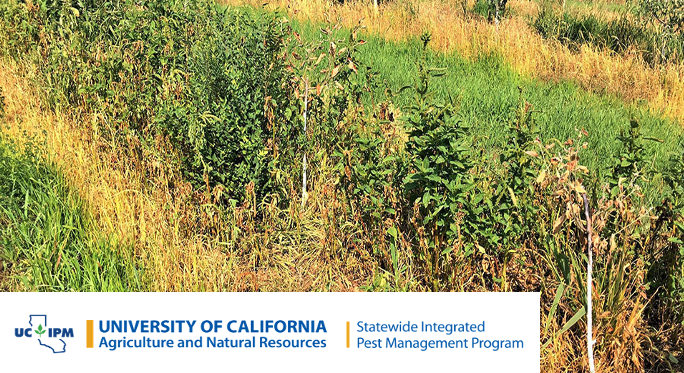

This course provides a rare opportunity for professionals to gain understanding of how an herbicide injury situation can arise and to efficiently update their background knowledge of herbicide characteristics in relation to different damage patterns. The goal of this course is to provide learners with a basic guide to approach diagnosing and investigating crop injury situations known or suspected to be related to herbicides, while giving them the tools to facilitate the investigation process. This course is available for free for those who do not need Continuing Education Units. The authors of the course are Dr. Brad Hanson, Professor of Cooperative Extension UC Davis and Dr. Kassim Al-Khatib, Professor of Plant Sciences, UC Davis.
Who should enroll?
Growers, pest control advisers, sales representatives for chemical companies, field investigators, and insurance adjusters
Continuing Education Units
California Department of Pesticide Regulation (1.5 hours Other) and Certified Crop Adviser (1.5 IPM).
To get the Continuing Education Units certificate you will be charged a fee of $30. To encourage taking the course earlier in the year, we offer 50% off the regular price from January through October 31st – use the code ipm50 at checkout. You must download the certificate (PDF file) to receive your CEU credits.
Enrollment period
This course must be completed by December 30 of the current year. Download the certificate immediately when you complete the course. You will not be able to retrieve your certificate after December 30.
- Technical support: UC IPM Online Training Support
This course is for those who need continuing education units (CEUs) and a certificate. Make the purchase and after the payment, you will be redirected
to the course. Upon course completion, you will be able to download the course certificate.
Course must be completed and certificate downloaded before December 30 of the current year.
To access the free version of this course without a certificate, click on the title below:
Diagnosing Herbicide Injury
- Technical support: UC IPM Online Training Support
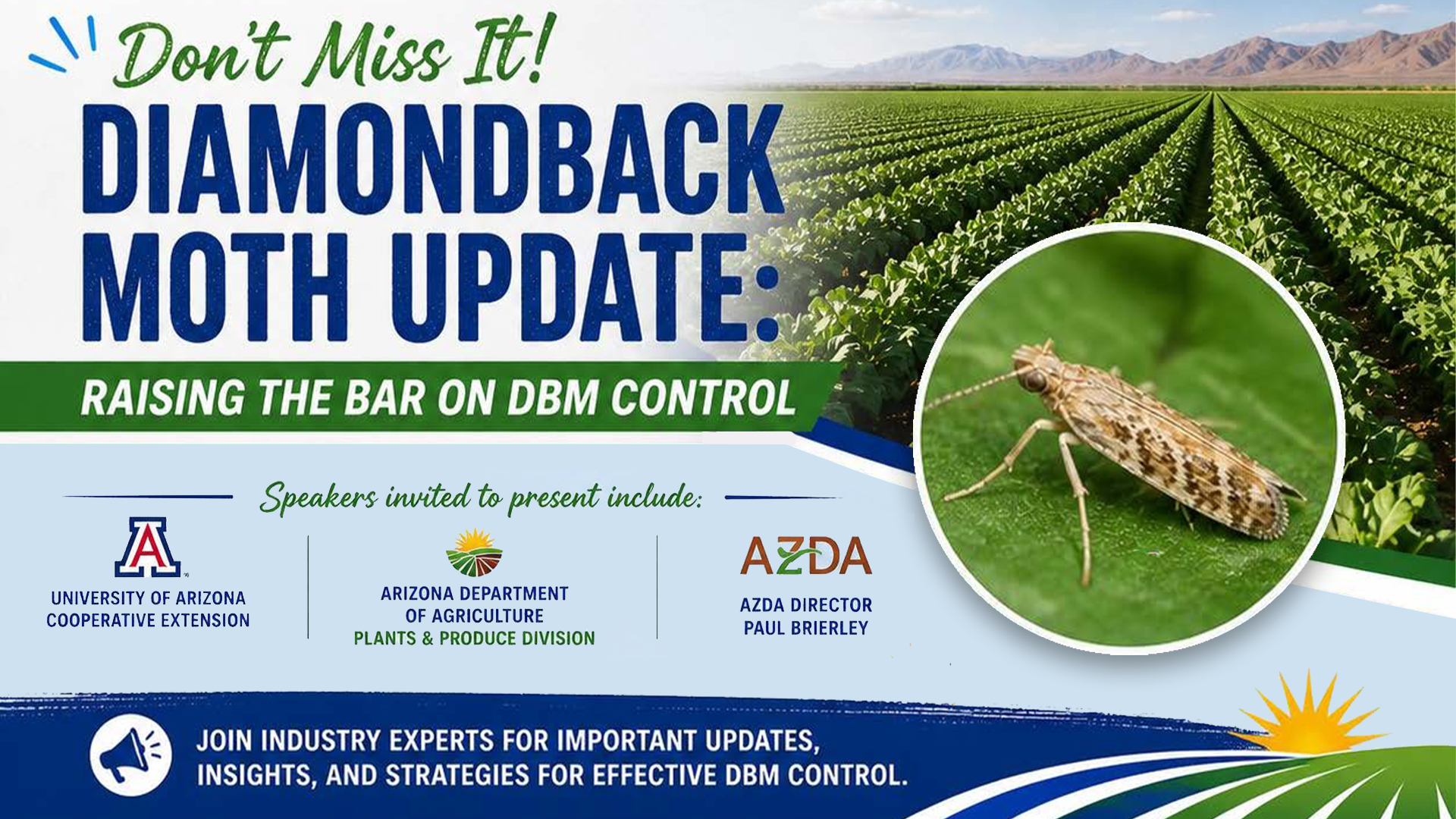
Course Name: Diamondback Moth Update: Raising The Bar on DBM Control
Module 1:
Western Growers DBM Survey Jeana Cadby - WGA, Yuma Grower/PCA Survey Robert Masson - University of Arizona Cooperative Extension Yuma Extension, Lifecycle, trapping network, 1080 data insights, IPM detection and management Macey Keith - University of Arizona Department of Entomology.
Module 2:
Insecticide efficacy trials, resistance monitoring, IPM strategies Dr. Wilfrid Calvin - University of Arizona Department of Entomology, Economic Damage, insecticide resistance, non-crop hosts Dr. Ian Grettenberger - UC Davis Department of Entomology, DBM Imperial County update, efficacy trial results, treatment options Dr. Arun Babu - University of California Cooperative Extension Imperial County.
Module 3:
Business Solutions Meghan Scott - Yuma Fresh Vegetable Association, Nursery & Greenhouse IPM Strategies Sean Foy - Nursery Projects Manager Keithly-Williams, Regulatory Strategy, lifecycle, inspection techniques Jamie Legg & James Conway - Arizona Department of Agriculture.
Course Number: CA# DPR-1212-26, 1.5 CEU's (Other), AZDA # 26401, 1.5 CEU's, CCA # SS 60975, 1.5 CEU's (IPM)
CEU Credits: This course is accredited by the California Department of Pesticide Regulation, Arizona Department of Agriculture and Certified Crop Adviser.
Course availability will be through the end of the year and will be removed December 31st 2024.
The course contains video, requiring a computer that can play audio and video.
Contact and technical support: Robert Masson, masson@arizona.edu.
- Teacher: Don Dinwiddie
- Teacher: Robert Masson
The purpose of Documenting Children’s Learning is to learn how to document children’s learning through observation and to prepare for in-person training offered by Nebraska Extension. This course is developed using Flash content so your device must be able to play flash in order to access the course.
For more information contact Katie Krause, UNL Extension, katie.krause@unl.edu
- Teacher: Katie Krause
Delaware State University is offering our Mobile Meat Processing Lab (MMPL) Training and Certification course as a two-part series so that small farmers in Delaware can become qualified to lease the MMPL to process small-ruminants, small-flock poultry, and/or cultured fish. The intent of this course is to ensure that prospective MMPL users have all of the necessary background knowledge they will need to successfully complete their application for a grant of inspection from the USDA. Part one of the series is this self-paced, online course work, where farmers will be given an overview of the site requirements for using the MMPL, the steps in applying for a USDA grant of inspection, the MMPL capabilities, use, and proper sanitation.
Once the online course work is completed, farmers will sign up to participate in an in-person lab, which is typically held at the Delaware State University Hickory Hill Research Farm, where they will be trained on the MMPL function and operation, and gain hands-on experience in processing animals using the MMPL. Farmers must successfully complete both the online and in-person portions of the series before they can lease the MMPL for use on their own.
- Teacher: John Clendaniel
- Teacher: Zuri Hobson-Gladney
- Teacher: Kwame Matthews
- Teacher: Amit Singh
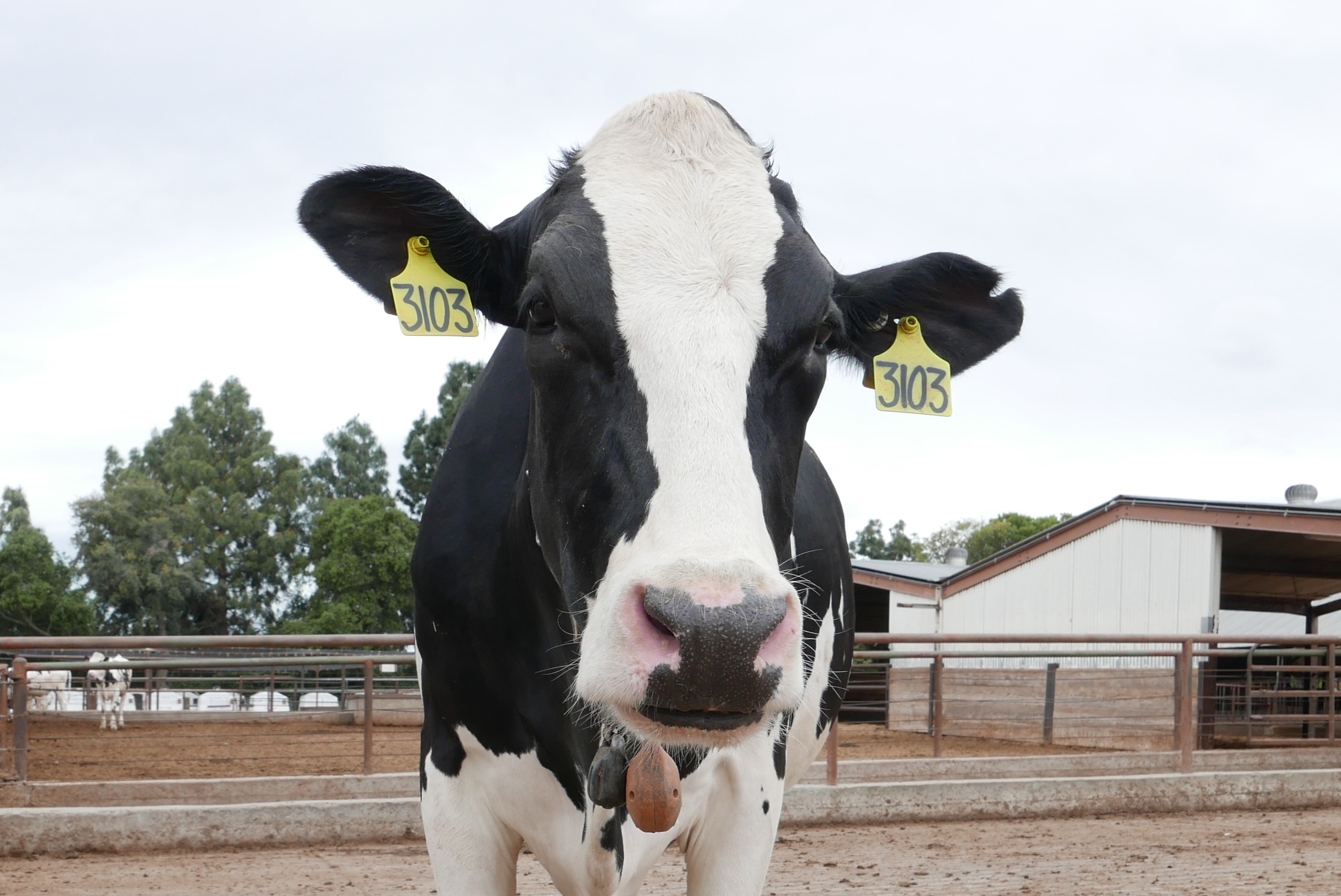
This online training serves as a resource for farmers, veterinarians, and other stakeholders in the dairy industry, supporting the training of farm workers on antimicrobial stewardship, disease identification in adult cows, and adherence to farm protocols.
Course Goals
Learners will be able to describe procedures for accurate identification and options for treatment for cases of mastitis, metritis, and lameness in adult dairy cows.
Course Format
This course is available fully online with no scheduled class sessions or fixed due dates. You can start the course at any time and work through it independently at your own pace.
Course Organization
This antimicrobial stewardship dairy training consists of six modules. Individual modules can be viewed in any order, however, following the order of presentation may facilitate learning and discussion on specific topics on the farm. Modules include:
- Antibiotic Resistance
- Lameness
- Mastitis
- Metritis
- Treatment Protocol
- Visual Exams
Certificate of Completion
A certification of completion is available as an option. The certificate will be provided upon completion of all six modules.
Technology Requirements
- For best performance, a computer or tablet that supports the most recent web browser versions and is capable of playing mp4 files. It is recommended to use a computer five years old or newer with at least 1GB of RAM and high-speed internet connection. Some features may not be compatible with mobile devices.
- Adobe Acrobat Reader. Can be downloaded here for free.
- The recommended web browsers are Mozilla Firefox, Google Chrome, and Microsoft Edge.
Contact Us
If you have questions about the course, please contact the instructors: Greg Habing at habing.4@osu.edu or Richard V. Pereira at rvpereira@ucdavis.edu.
This program was a recipient of the 2025 Recognition of good practices and innovations in sustainable livestock transformation, One Health, animal health, and Reference Centres.


Funding provided by the Antimicrobial Use and Stewardship (AUS) Branch of the California Department of Food and Agriculture.


Brought to you by:


- Teacher: Greg Habing
- Teacher: Richard Pereira
The primary target audience for this course is Extension educators. EDEN believes that producers, emergency responders, government officials, and other animal agriculture stakeholders can benefit from the course as well. The estimated time to complete the entire course is eight hours, but the course does not have to be completed in one session.
The Extension Disaster Education Network (EDEN) is a collaborative multi-state effort by Extension Services across the country to improve the delivery of services to citizens affected by disasters.
For more information contact Kris Hiney, Oklahoma State University, khiney@okstate.edu
- Teacher: Kris Hiney
The Effective Extension Program Design, Teaching, and Evaluation Series enables educators to gain practical skills and knowledge that will improve their teaching and increase learner engagement. This six-part series is specifically designed for Extension professionals to create an outcome-based instructional design, a learner-centered teaching plan, and an end-of-event survey. After this series participants will be able to reuse the context-specific templates and guidance to develop future educational programs.
- Teacher: Mary Halbleib
In this section on training, efforts will be made to explain and simplify the process of developing a relationship with the horse where communication is simple and straightforward for both the horse and rider.
For information contact Colleen Brady, bradyc@purdue.edu.
The fee for this course is $10. To purchase and enroll in the course, click the following button.
If you purchase at least $40 worth of courses from this category, you can receive a 20% discount by entering the voucher code of HorseQuest20.
- Teacher: Kathy Anderson
- Teacher: Colleen Brady
- Teacher: Kris Hiney
Veterans Agricultural Education and Apprenticeship Program in the Southwest
Course Name: Effects of Weather on Drone Operations
Presenter: Edward Franklin, Department of Agricultural Education, Technology & Innovation, University of Arizona
The course contains video, requiring a computer that can play audio and video.
Contact and technical support: Robert Masson, masson@arizona.edu.
- Teacher: Vaeaps Box
- Teacher: Jody Dean
- Teacher: Don Dinwiddie
- Teacher: Robert Masson
eLearn Urban Forestry is a self-led, online, distance learning program geared speciifcally toward beginning urban foresters and those allied professionals working in and around urban and urbanizing landscapes, including service foresters, natural resource planners, landscape architects, city officials and public works employees. The program is comprised of ten learning modules: The Benefits and Costs of the Urban Forest; Tree Growth and Development; Urban Soils; Site, Tree Selection and Planting; Arboriculture; Assessing and Managing Tree Risk; Tree Disorder Diagnosis and Management; Trees and Construction; Public Policy and Urban Forestry; and Urban Forest Management.
For more information or to enroll, contact Leslie Boby, Southern Regional Extension Forestry, University of Georgia at lboby@sref.info.
- Teacher: Leslie Boby
Gracias por ingresar a la página Web para completar esta lección de Educación sobre Nutrición y Alimentos (EFNEP). Usted debió haber recibido una clave de inscripción de parte de su instructor. Ingrese esa clave de inscripción para acceder y completar esta lección.
- Teacher: Megan Berthiaume
- Teacher: Megan Berthiaume
This course was created to meet the professional development needs of South Dakota’s and Idaho’s Think Make Create mobile lab communities. However, it is a valuable resource for anyone looking to create a quality STEM learning environment.
Through this course, educators will become more familiar and comfortable with the best practices of STEM programing with a focus on Positive Youth Development.
There is both a long and short version of the course to accommodate different needs.
- Teacher: Claire Sponseller
- Teacher: Christine Wood
- Instructor: Erin Doty
Becoming a successful agricultural entrepreneur takes planning and preparation. Set yourself up for success from the start!
This course focuses on business planning with special attention to the financial and legal considerations unique to farm and food-based enterprises. You’ll develop the core elements of a business plan to guide your small business forward.
Over seven weekly sessions, we’ll walk you through the steps to create a plan for an existing business or a brand-new venture. Join a statewide cohort of other farm and food businesses, hear from expert speakers, and connect with regional groups for networking and community support.
- Teacher: Colette DePhelps
- Instructor: Kate Wood
For more information contact Kathy Anderson, University of Nebraska–Lincoln, at kanderson1@unl.edu
The fee for this course is $10. To purchase and enroll in the course, click the following button.
If you purchase at least $40 worth of courses from this category, you can receive a 20% discount by entering the voucher code of HorseQuest20.
- Teacher: Kathy Anderson
- Teacher: Colleen Brady
- Teacher: Kris Hiney
- Teacher: Laura Kenny
Equine Herpes Virus provides the participants the opportunity to learn the different ways the EHV-1 virus is expressed in horses, and know how to prevent and treat the disease. This course offers a badge and is one of several available in the HorseQuest Badge Portfolio. This course includes a video, a learning lesson, and a quiz.
The fee for this course is $10. To purchase and enroll in the course, click the following button:
If you purchase at least $40 worth of courses from this category, you can receive a 20% discount by entering the voucher code of HorseQuest20.
- Teacher: Kathy Anderson
- Teacher: Colleen Brady
What is your horse's body condition? Did you know there was a scoring system to rank your horse's physical condition? Check out our latest learning lesson about how to body condition score your horse. Learn a time-tested and accepted method to evaluate your horse's fat cover and the balance between the food he eats and the amount of energy he burns.
For information contact Colleen Brady, bradyc@purdue.edu
The fee for this course is $10. To purchase and enroll in the course, click the following link.
If you purchase at least $40 worth of courses from this category, you can receive a 20% discount by entering the voucher code of HorseQuest20.
- Teacher: Kathy Anderson
- Teacher: Colleen Brady
A course for Extension staff at North Dakota State University, this provides a self-paced guide to evaluating extension programs, materials, and communications.
For more information or to enroll contact robert.bertsch@ndsu.edu
- Teacher: Sonja Fuchs
Training program for Health Workers to become efficient messengers providing adult immunization education. Time commitment is approximately 2 hours.
Original course materials designed by Oregon State University.
- Teacher: Molly Immendorf
- Teacher: Lisa Linfield
This course is designed to provide you with the steps, considerations and confidence to improve your overall health!
In this course you will move through 7 self-paced video modules that correspond with self-reflective activities to meet objectives targeted at improving your personal health and wellness.
You will:
- Gain a better understanding of preventative care
- Build confidence in advocating for your own health
- Create goals to improve upon your own health
- Teacher: Sarah Goldring
- Teacher: Molly Immendorf
- Teacher: Lisa Linfield
- Content Specialists: Ruth Hursman
- Content Specialists: Michelle Rodgers
This program is designed to improve patient-provider communication by teaching participants how to discuss vaccines with their healthcare providers using research-based information that addresses common hesitancies. The estimated time commitment is 1-2 hours.
Original course materials designed by the University of Arkansas.
- Teacher: Molly Immendorf
- Teacher: Lisa Linfield
This module is intended as a supplement for individuals participating in a diabetes lifestyle management program. The modules cover vaccines, why vaccines are important for people with diabetes, the American Diabetes Association’s seven recommended vaccines, and how to communicate with your healthcare provider about vaccines.
- Teacher: Molly Immendorf
- Teacher: Kristina Jiles
- Teacher: Lisa Linfield
This course will provide you with the necessary training to lead informative, science-driven conversations with adults to support their vaccine decision-making. You will learn why adults may question vaccines and the common impediments to vaccination. In addition, you will learn strategies to address vaccine questioning, recognize readiness, and build vaccine confidence.
- Teacher: Lisa Linfield
- Instructor: Tiffany Freer
- Instructor: Ruth Hursman
- Instructor: Kristina Jiles
- Instructor: Tabi Pagan
- Instructor: Charlie Pane
This series of interactive modules covers essential topics such as the science of vaccination, the role of extension agents, and strategies to overcome barriers in rural areas. Participants will engage in various learning activities to deepen their understanding of vaccine messaging. By the end of the course, we aim for learners to feel more confident in sharing accurate vaccine information and contributing to public health efforts.

- Teacher: Molly Immendorf
- Teacher: Lisa Linfield
Expanded Learning Opportunities: Experiential Learning is for Employees or Volunteers in Youth Serving Organizations. Participants will learn how children and youth in out-of-school settings reach their full potential as a result of positive youth/adult interactions, purposeful learning experiences, and safe environments.
Participants will be able to: identify experiential learning techniques, provide purposeful and directing teaching, and engage and energize youth so they are ready to learn.
For more information or to enroll contact:
- Elizabeth Janning, janning2@unl.edu with Nebraska Extension.
- LaDonna Werth, ladonna.werth@unl.edu with Nebraska Extension.
- Deb Weitzenkamp, dweitzenkamp2@unl.edu with Nebraska Extension.
- Teacher: Deborah Weitzenkamp
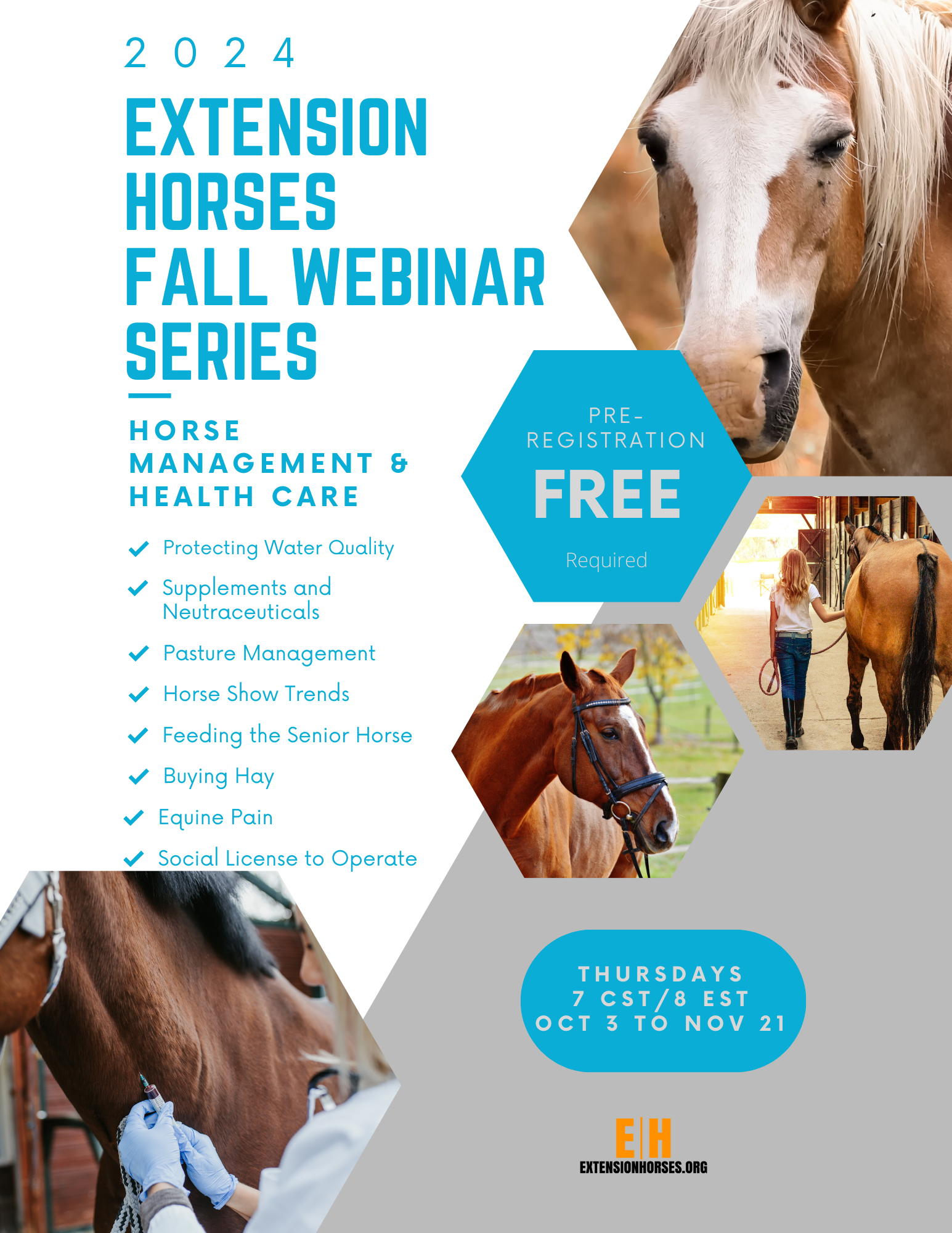
Extension Horses presents an 8 week webinar series to improve the lives of you and your horse. Experts from across the country will present live on Thursday evenings at 7 pm CST/ 8 EST.
Recordings will be uploaded for later viewing.
October 3 - Horse Show Trends - Dr. Kathy Anderson, University of Nebraska - Lincoln
October 10 - Hints for Horse Owners Buying Hay - Dr. Bob Coleman, University of Kentucky
October 17 - Protecting Water Quality - Laura Kenney, MS ,Penn State University
October 24 - Feeding the Senior Horse - Dr. Nettie Liburt, Liburt Nutritional Consulting
October 31 - Supplements, Dr. Carey Williams, Rutgers University
November 7 - Pain in the Equine - Dr. Kris Hiney, Oklahoma State University
November 14 - Social License to Operate - Dr. Colleen Brady, Purdue University
November 21 - Pasture Management - Robyn Stewart, MS, University of Georgia
- Teacher: Kathy Anderson
- Teacher: Colleen Brady
- Teacher: Kris Hiney
- Teacher: Laura Kenny

This course is designed as a resource for educators who are unexpectedly having to teach to remote learners during the COVID-19 outbreak. The design is a variety of individual lessons, covering a variety of topics related to horse care and management. It is designed more as a 'buffet' of choices than a course designed around a specific aspect of horse care and management. If you have any questions regarding the course, please contact Dr. Colleen Brady, bradyc@purdue.edu. For more free educational material, check out our YouTube channel.
- Teacher: Colleen Brady
For more information about this course or to enroll contact Curt Emanuel at cemanuel@purdue.edu
- Teacher: AMANDA MOSIMAN