
Extension Foundation Online Campus
搜索结果: 45
Veterans Agricultural Education and Apprenticeship Program in the Southwest
Course Name: 2024 Southwest Ag Summit
Fertilizer Management in the Desert Southwest
Module 1: Fertilizer Considerations for the Desert Southwest
Robert Masson, University of Arizona, Yuma County Cooperative Extension, Asst. AG Agent
Module 2: TRUE Organic Product Updates
Ramy Colfer, Cody Benton, and Jay Harper of TRUE Organic Products
Module 3: YARA Products Updates
Patrick Giannetti and Sebastian Korob, YARA International
Module 4: Nutrient Ag Solutions Product Update
Kyle Deol, Nutrient Ag Solutions
The course contains video so it requires a computer that can play audio and video.
Contact and technical support: Robert Masson, masson@arizona.edu.
- Teacher: Vaeaps Box
- Teacher: Jody Dean
- Teacher: Don Dinwiddie
- Teacher: Robert Masson
Veterans Agricultural Education and Apprenticeship Program in the Southwest
Course Name: 2024 Southwest Ag Summit
How Weather and Water Influence Pest Management
Module #1: Influence of Weather on Desert Insects and their Management
Dr. John Palumbo, University of Arizona, Yuma, AZ
Module #2: Water Management and Pest Management - What's the Connection?
Dr. Shaku Nair, University of Arizona, Maricopa County Cooperative Extension
The course contains video so it requires a computer that can play audio and video.
Contact and technical support: Robert Masson, masson@arizona.edu.
- Teacher: Vaeaps Box
- Teacher: Jody Dean
- Teacher: Don Dinwiddie
- Teacher: Robert Masson
Veterans Agricultural Education and Apprenticeship Program in the Southwest
Course Name: 2024 Southwest AG Summit
Plant Breeding Short Course: Theory, Methods, and Plant Breeding Industry
Module 1:
Plant Breeding 101:
Robert Masson, University of Arizona, Yuma Co. Cooperative Extension
Module 2:
Plant Breeding 102:
Dr. Hikmet Budak, Agricultural Professor, Arizona Western College
The course contains video so it requires a computer that can play audio and video.
Contact and technical support: Robert Masson, masson@arizona.edu.
- Teacher: Vaeaps Box
- Teacher: Jody Dean
- Teacher: Don Dinwiddie
- Teacher: Robert Masson
Course:
2026 Desert Melon Meeting, High Virus Pressure and Challenges
Module 1: Overview of cucurbit viruses affecting desert melon production
Dr. Bill Wintermantel, USDA Agricultural Researcher
Module 2: Whitefly populations and insecticide efficacy trials in Imperial Valley.
Dr. Arun Babu, Cooperative Extension Entomology Advisor, University of California
Module 3: Whitefly populations and insecticide efficacy trials in Yuma, Arizona.
Dr. Samuel Discua Duarte, Director of the Yuma Agricultural Center, University of Arizona
Module 4: Incident Response to Spring Melon Viruses 2026
Dr. Christopher Detranaltes, Associate in Extension, University of Arizona, Yuma County Cooperative Extension
Module 5: Viruses and other pathogens recovered from symptomatic melon plants in the low desert.
Dr. Ana Maria Pastrana Leon, Plant Pathology Advisor, University of California
Course Number: CA# DPR-1214-26, 1.0 CEU's (Other), AZDA # 26483, 1.0 CEU's, CCA # SS 61025, 1.0 CEU's (IPM)
CEU Credits: This course is accredited by the California Department of Pesticide Regulation, Arizona Department of Agriculture and Certified Crop Adviser.
The course contains video, requiring a computer that can play audio and video.
Contact and technical support: Robert Masson, masson@arizona.edu.
- Teacher: Don Dinwiddie
- Teacher: Robert Masson
Course Name:
2026 Southwest Ag Summit: Field Crops IPM Seminar
Module 1:
Proactive Resistance Management: Using Temporal Refuges to Guide Insect Control Decisions
Dr. Peter Ellsworth, University of Arizona, Entomologist/IPM Specialist
Update on soil-borne pathogens: Root Knot Nematode (Meloidogyne incognita) and Cotton Root Rot (Phymatotrichopsis omnivora).
Dr. Randy Norton, University of Arizona, Director of Safford Agricultural Center and Graham County Extension, Agronomist
Module 2:
Herbicide Performances against Palmer Amaranth in Central Arizona Cotton Production System
Dr. Avik Mukherjee, University of Arizona Assistant Professor and Extension Specialist Pinal Cooperative Extension
Field Evaluation of Pre- and Post-Emergence Herbicides in Corn Silage
Dr. Bhupinder Singh, University of Arizona, Assistant Professor and Extension Specialist in Agronomy
Module 3:
Monitoring and Attempting to Get Ahead of Alfalfa Weevil Pyrethroid Resistance.
Kyle Harrington, University of Arizona, Associate in Extension
The Cotton Seed Bug as a new invasive and potential threat to cotton
Dr. Gabriel Zilnik, Research Entomologist, USDA-ARS
Course Number: CA# DPR-1216-26, 2.0 CEU's (Other), AZDA # 26400, 2.0 CEU's, CCA # SS 60976, 2.0 CEU's (IPM)
CEU Credits: This course is accredited by the California Department of Pesticide Regulation, Arizona Department of Agriculture and Certified Crop Adviser.
Course availability will be through the end of the year and will be removed December 31st 2026.
The course contains video, requiring a computer that can play audio and video.
Contact and technical support: Robert Masson, masson@arizona.edu.
- Teacher: Don Dinwiddie
- Teacher: Robert Masson
2026 Southwest Ag Summit
Course Name: Innovations in Weed Control Technology
Module 1:
Education and Outreach Research: Grower-Focused Field Trials with Robotic Lettuce Weeders/Thinners.
Dr. Mazin Saber, University of Arizona, Yuma County Cooperative Extension, Associate in Extension/Weed Management
Sharpshooter: The Future Isn't Spraying, It's Aiming.
Roy Martinez, Professional Ag Sales Manager Verdant Robotics
Module 2:
From Algorithms to Acres: Evaluating Emerging Weed Control Technologies.
Dr. Lynn Sosnoskie, Assistant Professor, Cornell University
UAV Application Logistics
Dr. Liberty Galvin, Assistant Professor of Extension Weed Science and Precision Weed Management, Oklahoma State University
Module 3:
Laser Weeder G2: Yield Impacts and Unmatched Precision in the Desert.
Tom Michalk, Territory Manager Carbon Robotics
Ecorobotix-2nd Yuma Season and Experiences using ARA.
Katerina Lee, Crop Care Manager, North America-Ecorobotix
Course Number: CA# DPR-XXXX-26, 2.0 CEU's (Other), AZDA # 26402, 2.0 CEU's, CCA # SS 60972, 2.0 CEU's (IPM)
CEU Credits: This course is accredited by the California Department of Pesticide Regulation, Arizona Department of Agriculture and Certified Crop Adviser.
Course availability will be through the end of the year and will be removed December 31st 2026.
The course contains video, requiring a computer that can play audio and video.
Contact and technical support: Robert Masson, masson@arizona.edu.
- Teacher: Don Dinwiddie
- Teacher: Robert Masson
By taking this course, students will learn:
The Worker Protection Standard (WPS) is a regulation developed by the United States Environmental Protection Agency (EPA) to protect workers and handlers from the harmful effects of pesticides and their residues. The standard went through some major
revisions in 2015 and this course will reflect those changes.
This course will cover some of the major points of the Worker Protection Standard and what employers need to cover with their employees in order to comply.
Once you've completed this course, you should be able to:
- Define a worker and a handler
- Understand the importance of the WPS
- Know when compliance is necessary
- Identify the basic requirements needed by both a worker and handler to reduce their pesticide exposure
Watch the presentation from beginning to end. There are review questions interspersed to help you review the information. When you feel you are comfortable with the information, take the final assessment below Jeopardy game.
For more information please contact Rachel Maccini, Pesticide Safety Education Program Coordinator, University of New Hampshire, Cooperative Extension.
The fee for the course is $40. To purchase and enroll in the course, click the following button:
- Teacher: Rachel Maccini


About the Course:
This course is for program directors, coordinators, staff or anyone directly involved in working with volunteers.
Upon completion of this course, learners should be able to:
- Describe the benefits volunteers provide to programs and organizations
- Identify the roles and responsibilities of those involved in working with volunteers
- Identify the characteristics of an effective volunteer program
- Use the 7-step ISOTURE model to help build volunteer engagement
Along the way, learners will assess their own program, using self-guided activities and resources and develop a volunteer engagement action plan.
|
California Cooperative Extension Staff |
Free with enrollment key (contact your State Coordinator for enrollment key)
|
|
|
|
|
Non-California Users |
|
|
1-4 Seats |
$30 each |
|
5-49 Seats |
$25 each |
|
50-99 Seats |
$20 each |
|
100 or more Seats |
$10 each |
Contact:
For more information or to enroll please contact:
- Gemma Miner, UC ANR, Academic Coordinator for Volunteer Engagement gmminer@ucanr.edu
- UC ANR Course Support, idevelopsupport@ucanr.edu
- ANR Administrator: CA 4-H Campus Tech Support
- ANR Administrator: Zeva Cho
- ANR Administrator: Scott Mautte
- ANR Administrator: Gemma Miner
- ANR Administrator: Lauren Snowden
The audience for this Buying a Tractor course is Farmers and land owners who are interested in learning how to select the correct tractor for the intended purpose.
For more information or to enroll please contact: Mark Hall, Auburn University/ Alabama Cooperative Extension System, at hallmah@auburn.edu
- Teacher: John Fulton




Welcome to the Class of 2026 Initial Training Course to be a Master Composter volunteer. This course is offered by UC Cooperative Extension of Santa Clara County through the Composting Education Program.
This course is designed to enrich your composting knowledge so that you can provide unbiased, science-based information to residents of Santa Clara County. The course will cover topics such as Introduction and History of Composting, SB1383, Compost Life Cycle, Soil Health, Vermicomposting, and Extension Education. We will also have units on the Use of Compost, Community Composting, and Starting a Home Composting System.
By the end of this course, you will 1) have a strong foundation in the fundamentals of composting, 2) know how to use science-based information to answer composting questions, 3) have an understanding of how to engage and educate members of the Santa Clara County community, and 4) be familiar with the structure and function of the Composting Education program of Santa Clara County. With these skills and knowledge, you will be equipped to share science-based information on home composting with the public through the many organized volunteer activities the Composting Education Program and community partners have to offer.
Each class is taught by a different guest instructor. Instructors include University of California academics, Industry Professionals, Staff from Community Organizations, as well as Master Composter Volunteers.
- Teacher: Michael Cohen
- Teacher: Sarah Saka
- Teacher: Jenel Vincze
- Teacher: Lauren von Aspen
Certified Biomass Procurement Specialist – Short Rotation Woody Crops is an online course for anyone interested in growing trees in a plantation. In this course participants will learn about pine, popular and cottonwood trees and how each preforms in different environments.
For more information contact Mark Hall, Alabama Cooperative Extension System, hallmah@auburn.edu
For technical assistance please contact campushelp@extension.org
- Teacher: John Fulton
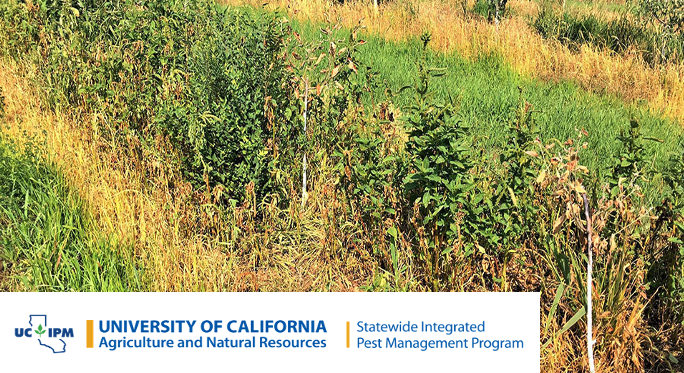

This course provides a rare opportunity for professionals to gain understanding of how an herbicide injury situation can arise and to efficiently update their background knowledge of herbicide characteristics in relation to different damage patterns. The goal of this course is to provide learners with a basic guide to approach diagnosing and investigating crop injury situations known or suspected to be related to herbicides, while giving them the tools to facilitate the investigation process. This course is available for free for those who do not need Continuing Education Units. The authors of the course are Dr. Brad Hanson, Professor of Cooperative Extension UC Davis and Dr. Kassim Al-Khatib, Professor of Plant Sciences, UC Davis.
Who should enroll?
Growers, pest control advisers, sales representatives for chemical companies, field investigators, and insurance adjusters
Continuing Education Units
California Department of Pesticide Regulation (1.5 hours Other) and Certified Crop Adviser (1.5 IPM).
To get the Continuing Education Units certificate you will be charged a fee of $30. To encourage taking the course earlier in the year, we offer 50% off the regular price from January through October 31st – use the code ipm50 at checkout. You must download the certificate (PDF file) to receive your CEU credits.
Enrollment period
This course must be completed by December 30 of the current year. Download the certificate immediately when you complete the course. You will not be able to retrieve your certificate after December 30.
- Technical support: UC IPM Online Training Support
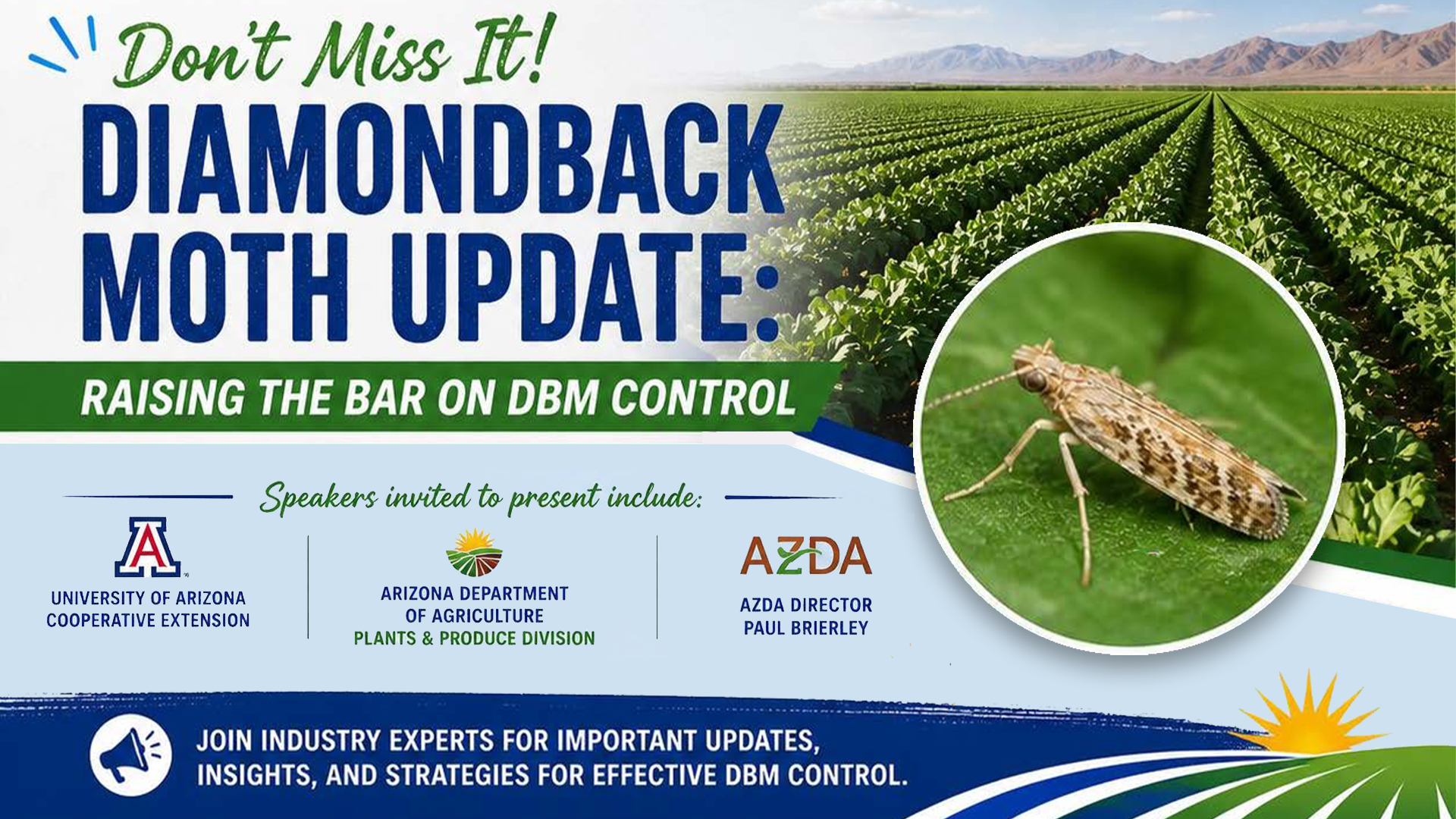
Course Name: Diamondback Moth Update: Raising The Bar on DBM Control
Module 1:
Western Growers DBM Survey Jeana Cadby - WGA, Yuma Grower/PCA Survey Robert Masson - University of Arizona Cooperative Extension Yuma Extension, Lifecycle, trapping network, 1080 data insights, IPM detection and management Macey Keith - University of Arizona Department of Entomology.
Module 2:
Insecticide efficacy trials, resistance monitoring, IPM strategies Dr. Wilfrid Calvin - University of Arizona Department of Entomology, Economic Damage, insecticide resistance, non-crop hosts Dr. Ian Grettenberger - UC Davis Department of Entomology, DBM Imperial County update, efficacy trial results, treatment options Dr. Arun Babu - University of California Cooperative Extension Imperial County.
Module 3:
Business Solutions Meghan Scott - Yuma Fresh Vegetable Association, Nursery & Greenhouse IPM Strategies Sean Foy - Nursery Projects Manager Keithly-Williams, Regulatory Strategy, lifecycle, inspection techniques Jamie Legg & James Conway - Arizona Department of Agriculture.
Course Number: CA# DPR-1212-26, 1.5 CEU's (Other), AZDA # 26401, 1.5 CEU's, CCA # SS 60975, 1.5 CEU's (IPM)
CEU Credits: This course is accredited by the California Department of Pesticide Regulation, Arizona Department of Agriculture and Certified Crop Adviser.
Course availability will be through the end of the year and will be removed December 31st 2024.
The course contains video, requiring a computer that can play audio and video.
Contact and technical support: Robert Masson, masson@arizona.edu.
- Teacher: Don Dinwiddie
- Teacher: Robert Masson
This course will strengthen Extension and healthcare professionals’ ability to evaluate health-related media messages, recognize misinformation, and support community members in making informed health decisions.
This course is part of the Vaccine Education series created by Clemson University Cooperative Extension.
Other courses in this series include:- Getting Started: Vaccine Education Onboarding
- The Science of Vaccination
- The Critical Role of Extension Agents & Vaccine Education at the National Level
- Communication Strategies and Motivation Interviewing
- Motivational Interviewing Case Studies
- Neuromarketing Strategies for Brain-Friendly Health Messaging in Extension Outreach

- Teacher: Molly Immendorf
- Teacher: Lisa Linfield
- Teacher: Melanie Pugsley
- Instructor: Allison Bigbee
- Instructor: Kathleen Cartmell
In this course, you will learn how vaccines work to protect individuals and communities, gain insights into the rigorous regulatory processes ensuring vaccine safety, and review evidence supporting vaccine effectiveness.
This course is part of the Vaccine Education series created by Clemson University Cooperative Extension.
Other courses in this series include:- Getting Started: Vaccine Education Onboarding
- Vaccination as a Priority
- The Science of Vaccination
- The Critical Role of Extension Agents & Vaccine Education at the National Level
- Motivational Interviewing Case Studies
- Neuromarketing Strategies for Brain-Friendly Health Messaging in Extension Outreach
- Health Media Literacy

- Teacher: Molly Immendorf
- Teacher: Lisa Linfield
This is an introductory course for the Vaccine Education series created by Clemson University Cooperative Extension.
Other courses in this series include:
- Vaccination as a Priority
- The Science of Vaccination
- The Critical Role of Extension Agents & Vaccine Education at the National Level
- Communication Strategies and Motivational Interviewing
- Motivational Interviewing and Case Studies
- Neuromarketing Strategies for Brain-Friendly Health Messaging in Extension Outreach
- Health Media Literacy

- Teacher: Molly Immendorf
- Teacher: Lisa Linfield
In this course, you will explore motivational interviewing techniques through practical case studies focused on vaccination discussions.
This course is part of the Vaccine Education series created by Clemson University Cooperative Extension.
Other courses in this series include:- Getting Started: Vaccine Education Onboarding
- Vaccination as a Priority
- The Science of Vaccination
- The Critical Role of Extension Agents & Vaccine Education at the National Level
- Communication Strategies and Motivational Interviewing
- Neuromarketing Strategies for Brain-Friendly Health Messaging in Extension Outreach
- Health Media Literacy

- Teacher: Molly Immendorf
- Teacher: Lisa Linfield
In this course, you will learn how neuromarketing principles can transform your outreach.
This course is part of the Vaccine Education series created by Clemson University Cooperative Extension.
Other courses in this series include:- Getting Started: Vaccine Education Onboarding
- Vaccination as a Priority
- The Science of Vaccination
- The Critical Role of Extension Agents & Vaccine Education at the National Level
- Communication Strategies and Motivation Interviewing
- Motivational Interviewing Case Studies
- Health Media Literacy

- Teacher: Molly Immendorf
- Teacher: Lisa Linfield
In this course, you will learn how you can become vital contributors to vaccination education efforts by doing what you already do so well.
This course is part of the Vaccine Education series created by Clemson University Cooperative Extension.
Other courses in this series include:- Getting Started: Vaccine Education Onboarding
- Vaccination as a Priority
- The Science of Vaccination
- Communication Strategies and Motivation Interviewing
- Motivational Interviewing Case Studies
- Neuromarketing Strategies for Brain-Friendly Health Messaging in Extension Outreach
- Health Media Literacy

- Teacher: Molly Immendorf
- Teacher: Lisa Linfield
In this course, you will learn how vaccines work to protect individuals and communities, gain insights into the rigorous regulatory processes ensuring vaccine safety, and review evidence supporting vaccine effectiveness.
This course is part of the Vaccine Education series created by Clemson University Cooperative Extension.
Other courses in this series include:- Getting Started: Vaccine Education Onboarding
- Vaccination as a Priority
- The Critical Role of Extension Agents & Vaccine Education at the National Level
- Communication Strategies and Motivation Interviewing
- Motivational Interviewing Case Studies
- Neuromarketing Strategies for Brain-Friendly Health Messaging in Extension Outreach
- Health Media Literacy

- Teacher: Molly Immendorf
- Teacher: Lisa Linfield
In this course, you will learn about vaccine hesitancy, the significance of community immunity, and recent vaccination development.
This course is part of the Vaccine Education series created by Clemson University Cooperative Extension.
Other courses in this series include:- Getting Started: Vaccine Education Onboarding
- The Science of Vaccination
- The Critical Role of Extension Agents & Vaccine Education at the National Level
- Communication Strategies and Motivation Interviewing
- Motivational Interviewing Case Studies
- Neuromarketing Strategies for Brain-Friendly Health Messaging in Extension Outreach
- Health Media Literacy

- Teacher: Molly Immendorf
- Teacher: Lisa Linfield
This course will provide you with the necessary training to lead informative, science-driven conversations with adults to support their vaccine decision-making. You will learn why adults may question vaccines and the common impediments to vaccination. In addition, you will learn strategies to address vaccine questioning, recognize readiness, and build vaccine confidence.
- Teacher: Lisa Linfield
- Instructor: Tiffany Freer
- Instructor: Ruth Hursman
- Instructor: Kristina Jiles
- Instructor: Tabi Pagan
- Instructor: Charlie Pane
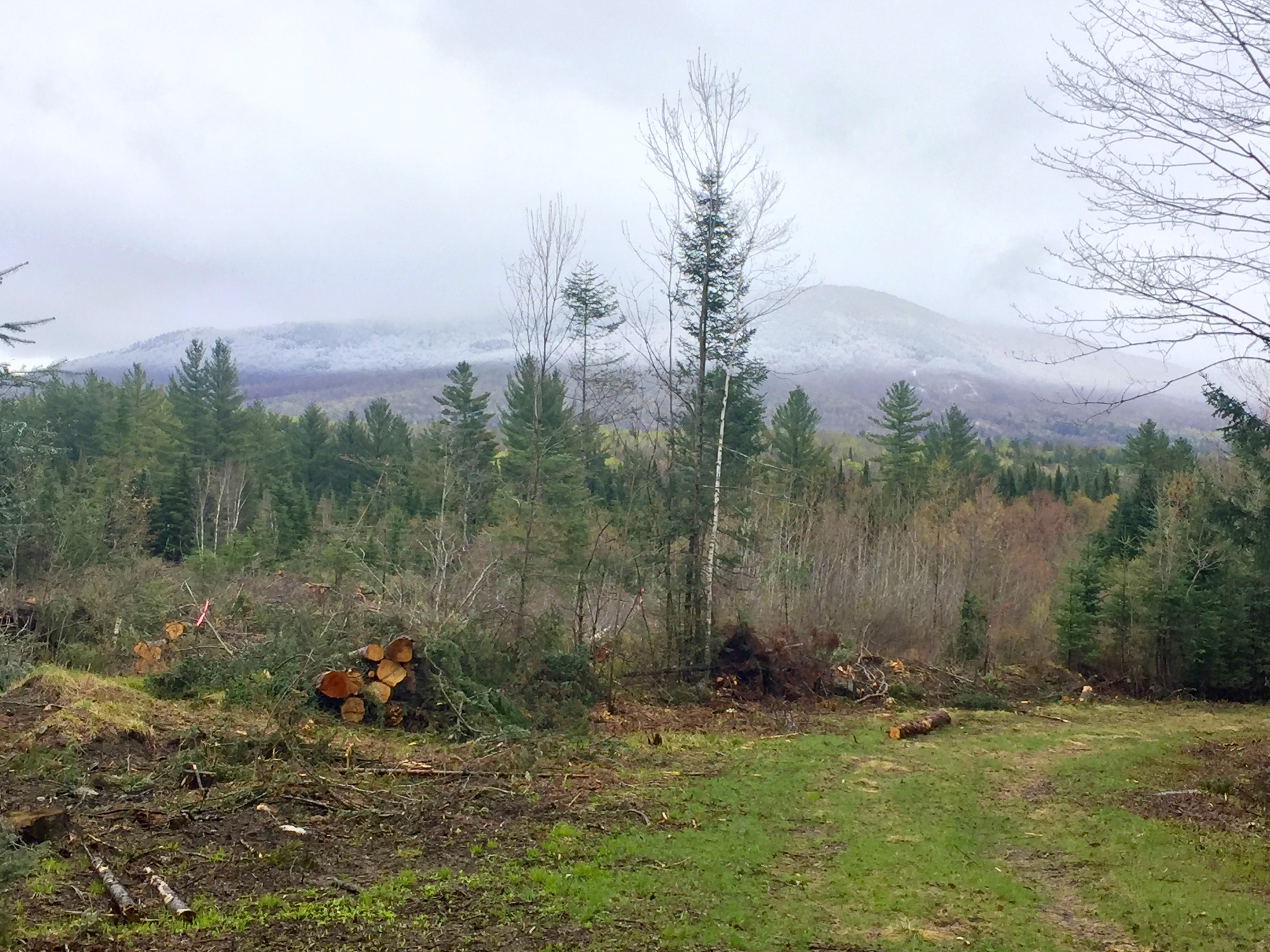
This course encompasses all of the presentations from the 2023 NER.COFE Workshop. Each topic corresponds to each of the individual presentations and are approved for Category 1 Forester Licensing credits by both SAF and the State of Maine as described with each course.
The cost for each topic is $10.00/0.5 CEU which is to cover recording, processing, and online fees, and will continue to support the NER.COFE organization as the in-person workshop does.
Any questions may be forwarded to:
Ray Berthiaume, NER.COFE Chair, UNH Cooperative Extension Field Specialist, Coos County Forester
- Teacher: Raymond Berthiaume
- Teacher: andrew fast
Forest Farming Online is designed to train technical service providers (e.g., service foresters with government agencies, Extension professionals, forest management consultants), but is freely available to the public. This course begins with one introductory module, which you must complete first. It includes information pertaining to the basics of forest farming and takes approximately one hour to complete. A series of video and webinar clips from the coalition’s YouTube and webinar library have been compiled to present key forest farming considerations such as, what is it?, how do you do it?, what crops are popular?, how do you add value?, etc. Questions are included for you to complete along the way. Module 1 is expected to take approximately one hour to complete and it guides users to videos that follow a specific list of topics in the curriculum. Questions are linked to specific videos or video segments within topics in the outline. You should plan on spending about 20 minutes per topic.
For more information contact:
John Munsell, Virginia Tech/Virginia Cooperative Extension, jfmunsel@vt.edu
Brent Peterson SREF/UGA, bpeterson@sref.info
William Hubbard SREF/UGA whubbard@sref.info
- Teacher: Leslie Boby

UVM Extension Northwest Crops and Soils (NWCS) program is offering this course in collaboration with the following organizations: Vermont Agency of Agriculture (VAAFM), Food & Markets, Massachusetts Department of Agricultural Resources (MDAR), SUNY Morrisville, University of Maine Cooperative Extension, Maine Organic Farmers and Gardeners (MOFGA), Northeast Organic Farming Association of NY (NOFA-NY), and Northeast Sustainable Agriculture Research and Education program (NE-SARE).
Offerings include up to 13 webinars (7 are required), up to 5 in-field intensives (1 is required), and admission to attend the 2021 and 2022 Industrial Hemp Conferences! You will also be asked to complete a Pre- and Post- Training Survey. All this is FREE and you can also earn Certified Crop Adviser credits! Webinar trainings will be live on Tuesdays, 12pm to 1pm. Please note that this training is offered for Agricultural and Technical Service Providers.
- Teacher: Susan Brouillette
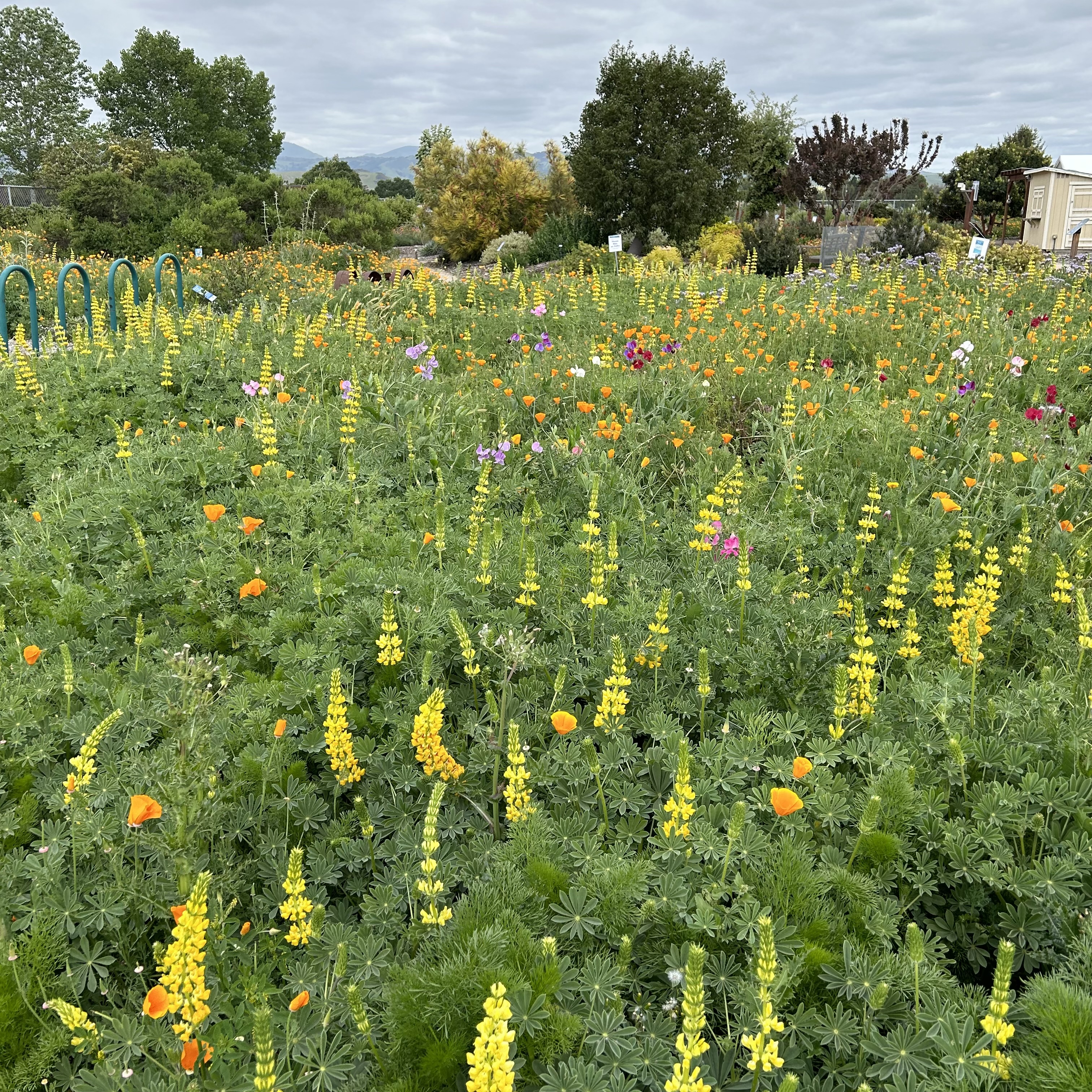
Welcome to UC Master Gardener Program of Santa Clara County Initial Training 2025. This course is offered by UC Cooperative Extension through the Master Gardener Program.
The UC Master Gardener Training is designed to enrich your horticultural knowledge so that you can provide unbiased, science-based information to residents of Santa Clara County. The training will cover topics such as soil and plant nutrition; irrigation; weed, insect, and disease management; fruit and vegetable production; sustainable landscaping; and pesticide use alternatives. We will also have units on the use of scientific sources, principles of adult learning, and community engagement.
By the end of the training, you will 1) have a strong foundation in the fundamentals of gardening, 2) know how to find science-based information to answer gardening questions, 3) have an understanding of how to engage and educate members of the Santa Clara County community, and 4) be familiar with the structure and function of the UC Master Gardener program of Santa Clara County. With these skills and knowledge, you will be equipped to share science-based information on home horticulture, pest management, and sustainable landscape practices with the public through the many organized volunteer activities the UC Master Gardeners of Santa Clara County have to offer.
Each class is taught by a different guest instructor. Instructors include University of California academics, faculty from other local colleges, staff from community organizations, and other Master Gardener volunteers.
- Facilitator: Lucy Diekmann
- Facilitator: Sarah Saka
- Facilitator: Katherine Uhde
- Facilitator: Jenel Vincze
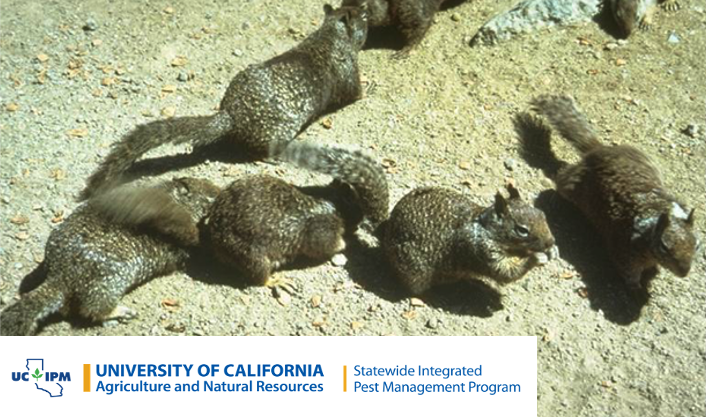

Pest management professionals and growers
- Technical support: UC IPM Online Training Support
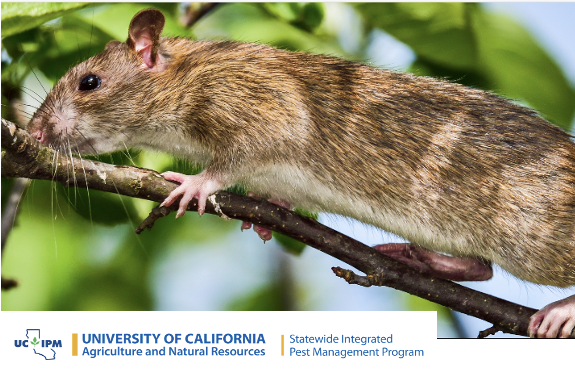

This course covers the description, biology, and ecology of voles, rats, and mice as well as an overview of available nonchemical control options including biocontrol, habitat modification, trapping, and exclusion. Also included are chemical control methods such as baiting and fumigants. In addition, the idea of fertility control is mentioned. The author of the course is Dr. Roger Baldwin, UC Cooperative Extension Specialist: Human-Wildlife Conflict Resolution.
- Technical support: UC IPM Online Training Support
This online course is the National Worker Protection Standard: Web-Based Training for Trainers of Agricultural Workers and Pesticide Handlers. The course was developed by the Pesticide Educational Resources Collaborative (PERC) through a cooperative agreement (agreement #X8-83616301) between the U.S. Environmental Protection Agency’s (EPA) Office of Pesticide Programs and the University of California Davis Continuing and Professional Education, in collaboration with Oregon State University. Approval number EPA WPS TTT W/H 00030-0725.
This course provides the information required to train those who will train agricultural workers and pesticide handlers under the U.S. EPA Worker Protection Standard (WPS). It will guide you through the necessary procedures to provide agricultural workers and pesticide handlers with required information on how to avoid exposure to pesticides and pesticide residue.
Completion of this course certifies you as a qualified WPS trainer of agricultural workers and pesticide handlers in the continental U.S., Alaska, Hawaii, Puerto Rico, Guam, and the U.S. Virgin Islands. Some states require state-specific training and this course alone would not qualify. Before enrolling, you must check with your state or tribal pesticide regulatory agency to verify possible additional requirements. Note: this course will NOT satisfy the train the trainer requirements in California for the California Department of Pesticide Regulation. It will NOT satisfy the train the trainer requirements in Arizona for the Arizona Department if Agriculture. You must contact them directly to get a list of courses that will.
Each year, a new offering of the current course will be posted. This will allow students to retake the course as needed by employers and regulatory agencies. Previous year’s offering will be available on the student’s profile should they need to access to an older certificate. Note that the content will be identical each year, unless otherwise noted that there was a course revision.System Requirements
Computer: Strongly recommended: Mac OSX 10.9 or higher or a PC running Windows 7 or higher.
Browser: Strongly recommended: Google Chrome or Mozilla Firefox. Strongly discouraged: Browsers other than those listed above. Others may work but have experienced performance issues in testing (e.g., Internet Explorer, Microsoft Edge, etc.) eXtension is not able to respond to troubleshooting inquiries if customers are using a non-recommended browser.
Audio: This course contains audio narration. To hear the narration, your computer will either need audio speakers built-in or attached. You can also listen to the audio via headphones.
For questions about the course content, contact PERCsupport@ucdavis.edu.
For questions about technical support (e.g., enrolling, payments, etc.) contact cataloghelp@extension.org.
To enroll, see below.Course Completion Checklist
- Complete the modules in order (12)
- Complete the Knowledge Checks for each module (12)
- Take the Final Exam (must score 70% to pass)
- Complete the evaluation
- Download certificate
- Submit your certificate. You are responsible for identifying and submitting your certificate to appropriate entities.
The enrollment fee for this course is $75. To purchase and enroll in this course, click here:
No Refund Policy – Unless the course is not accessible using one the required operating system(s) or browser(s), then PERC will not issue a refund. If you have any questions about our No Refund Policy, please contact us at percsupport@ucdavis.edu.
- Teacher: Suzanne Forsyth
- Teacher: Christian Gella
- Teacher: Hannah Moore
This course is no longer accepting enrollments.
This online course is the National Worker Protection Standard: Web-Based Training for Trainers of Agricultural Workers and Pesticide Handlers. The course was developed by the Pesticide Educational Resources Collaborative (PERC) through a cooperative agreement (agreement #X8-83616301) between the U.S. Environmental Protection Agency’s (EPA) Office of Pesticide Programs and the University of California Davis Continuing and Professional Education, in collaboration with Oregon State University. Approval number EPA WPS TTT W/H 00030.
This course provides the information required to train those who will train agricultural workers and pesticide handlers under the U.S. EPA Worker Protection Standard (WPS). It will guide you through the necessary procedures to provide agricultural workers and pesticide handlers with required information on how to avoid exposure to pesticides and pesticide residue.
Completion of this course certifies you as a qualified WPS trainer of agricultural workers and pesticide handlers in the continental U.S., Alaska, Hawaii, Puerto Rico, Guam, and the U.S. Virgin Islands. Some states require state-specific training and this course alone would not qualify. Before enrolling, you must check with your state or tribal pesticide regulatory agency to verify possible additional requirements. Note: this course will not satisfy the train the trainer requirements in California for the California Department of Pesticide Regulation. You must contact them directly to get a list of courses that will.
Each year, a new offering of the current course will be posted. This will allow students to retake the course as needed by employers and regulatory agencies. Previous year’s offering will be available on the student’s profile should they need to access to an older certificate. Note that the content will be identical each year, unless otherwise noted that there was a course revision.
System Requirements
Computer: Strongly recommended: Mac OSX 10.9 or higher or a PC running Windows 7 or higher.
Browser: Strongly recommended: Google Chrome or Mozilla Firefox. Strongly discouraged: Browsers other than those listed above. Others may work but have experienced performance issues in testing (e.g., Internet Explorer, Microsoft Edge, etc.) eXtension is not able to respond to troubleshooting inquiries if customers are using a non-recommended browser.
Audio: This course contains audio narration. To hear the narration, your computer will either need audio speakers built-in or attached. You can also listen to the audio via headphones.
For questions about the course content, contact PERCsupport@ucdavis.edu.
For questions about technical support (e.g., enrolling, payments, etc.) contact cataloghelp@extension.org.
To enroll, see below.Course Completion Checklist
- Complete the modules in order (12)
- Complete the Knowledge Checks for each module (12)
- Take the Final Exam (must
score 70% to pass)
- Complete the evaluation
- Download certificate
- Submit your certificate. You
are responsible for identifying and submitting your certificate to appropriate
entities.
The enrollment fee for this course is $35. To purchase and enroll in this course, click here:
No Refund Policy – Unless the course is not accessible using one the required operating system(s) or browser(s), then PERC will not issue a refund. If you have any questions about our No Refund Policy, please contact us at percsupport@ucdavis.edu.
- Teacher: Suzanne Forsyth
- Teacher: Hannah Moore