
Extension Foundation Online Campus
Результати пошуку: 454
The wellbeing of early childhood educators is increasingly recognized as being importantly connected to high quality education and care. This program is built upon the framework of the 8 Dimensions of Wellness, a holistic approach to well-being that recognizes the interconnectedness of various aspects of our lives.
As a result of this training participants will:
Understanding the Physical Dimension of Wellness: Participants will explain the physical dimension of wellness and its importance for young children and early childhood educators.
Applying Wellness Principles in Early Childhood Settings: Participants will utilize practical strategies to enhance wellness in early childhood settings, including fostering emotional intelligence, physical activity, and mindfulness.
Supporting Holistic Development: Participants will integrate physical wellness activities into routines to support the overall development of young children.
Child Development Subject Area
1. Professionalism: Maintaining a commitment to professionalism
Nebraska Early Childhood Core Competencies
1. Professionalism and Leadership: Professional – Level 3
- For Email Help: Linda Reddish
- Instructor: Jaclynn Foged
- Instructor: Julie Jones-Branch
The wellbeing of early childhood educators is increasingly recognized as being importantly connected to high quality education and care. This program is built upon the framework of the 8 Dimensions of Wellness, a holistic approach to well-being that recognizes the interconnectedness of various aspects of our lives. These dimensions are:
As a result of this training participants will:
Understand how practices in the 8-dimensions of wellness support well-being and stress management.
Describe how well being relates to more responsive caregiving and teaching for early childhood professionals.
Participants will identify and describe the eight dimensions of wellness (emotional, environmental, financial, intellectual, social, spiritual, physical, and occupational) and understand how each dimension contributes to the overall well-being of young children and early childhood educators.
Child Development Subject Area
1. Professionalism: Maintaining a commitment to professionalism
Nebraska Early Childhood Core Competencies
1. Professionalism and Leadership: Professional – Level 3
- For Email Help: Linda Reddish
- Instructor: Jaclynn Foged
- Instructor: Julie Jones-Branch
The wellbeing of early childhood educators is increasingly recognized as being importantly connected to high quality education and care. This program is built upon the framework of the 8 Dimensions of Wellness, a holistic approach to well-being that recognizes the interconnectedness of various aspects of our lives. These dimensions are:
As a result of this training participants will:
Understand how practices in the 8-dimensions of wellness support well-being and stress management.
Describe how well being relates to more responsive caregiving and teaching for early childhood professionals.
Participants will identify and describe the eight dimensions of wellness (emotional, environmental, financial, intellectual, social, spiritual, physical, and occupational) and understand how each dimension contributes to the overall well-being of young children and early childhood educators.
Child Development Subject Area
1. Professionalism: Maintaining a commitment to professionalism
Nebraska Early Childhood Core Competencies
1. Professionalism and Leadership: Professional – Level 3
- For Email Help: Linda Reddish
- Instructor: Julie Jones-Branch
The wellbeing of early childhood educators is increasingly recognized as being importantly connected to high quality education and care. This program is built upon the framework of the 8 Dimensions of Wellness, a holistic approach to well-being that recognizes the interconnectedness of various aspects of our lives. These dimensions are:
As a result of this training participants will:
Understand how practices in the 8-dimensions of wellness support well-being and stress management.
Describe how well being relates to more responsive caregiving and teaching for early childhood professionals.
Participants will identify and describe the eight dimensions of wellness (emotional, environmental, financial, intellectual, social, spiritual, physical, and occupational) and understand how each dimension contributes to the overall well-being of young children and early childhood educators.
Child Development Subject Area
1. Professionalism: Maintaining a commitment to professionalism
Nebraska Early Childhood Core Competencies
1. Professionalism and Leadership: Professional – Level 3
- For Email Help: Linda Reddish
- Instructor: Julie Jones-Branch
The wellbeing of early childhood educators is increasingly recognized as being importantly connected to high quality education and care. This program is built upon the framework of the 8 Dimensions of Wellness, a holistic approach to well-being that recognizes the interconnectedness of various aspects of our lives. These dimensions are:
As a result of this training participants will:
Understand how practices in the 8-dimensions of wellness support well-being and stress management.
Describe how well being relates to more responsive caregiving and teaching for early childhood professionals.
Participants will identify and describe the eight dimensions of wellness (emotional, environmental, financial, intellectual, social, spiritual, physical, and occupational) and understand how each dimension contributes to the overall well-being of young children and early childhood educators.
Child Development Subject Area
1. Professionalism: Maintaining a commitment to professionalism
Nebraska Early Childhood Core Competencies
1. Professionalism and Leadership: Professional – Level 3
- Teacher: Linda Reddish
- Teacher: Linda Reddish
- Instructor: Jaclynn Foged
- Instructor: Julie Jones-Branch
- Instructor: Kim Wellsandt
The wellbeing of early childhood educators is increasingly recognized as being importantly connected to high quality education and care.
Brief description of training: The wellbeing of early childhood educators is increasingly recognized as being importantly connected to high quality education and care. This program offers strategies for maintaining health, personal well-being, developing healthy self-regulation, and connecting the early childhood workforce to valuable community resources.
As a result of this training participants will:
Understanding the Spiritual Dimension of Wellness: Participants will identify and describe the spiritual dimension of wellness and understand how this dimension contributes to the overall well-being of young children and early childhood educators.
Applying Wellness Principles in Early Childhood Settings: Participants will explore practical strategies for promoting wellness in early childhood environments, including creating a supportive atmosphere, fostering emotional intelligence, encouraging physical activity, and integrating mindful practices to support both child and educator well-being.
Supporting Holistic Development: Participants will learn how to implement activities and routines that address the spiritual dimension of wellness in a way that supports the social, emotional, cognitive, and physical development of young children, fostering an environment where children can thrive in all aspects of their lives.
Child Development Subject Area:
Maintaining a commitment to professionalism
Nebraska Core Competencies:
Professionalism and Leadership: Professional Work Habits– Level 3
- For Email Help: Linda Reddish
- Instructor: Julie Jones-Branch
Beef Cow
Basics-Plus is a 12 module course that provides cutting edge information on nutrition, forages, supplements, and
economics. A short quiz at the
end of each lesson for self-assessment assures that concepts are
understood.Once all of the quizzes are completed, a certificate of completion can be printed. Modules include: Goals for the Cow/Calf Producer, Basic Considerations for Cow Nutrition, Metabolizable Protein System, Minerals and Vitamins for Beef Cows, Replacement Heifer Nutrition, Basic Ration Formulation, Forage Analysis and Inventory, Perennial Forage Production, Annual Forage Crops, Alfalfa Production: Opportunities for Improvement, Livestock Grazing Management on Range and Pasture, and Feed Ration Economics. It is important that you, as a beef producer, have confidence, competence, and direction to be a successful livestock producer. Beef Cow Basics-Plus will help capitalize on your own unique resources and skills. It provides the basics for anyone interested in beef cow production including high school students, homeschool students, older 4-H and FFA members, community college students, and university students.
This course has been approved for 12 American Registry of Professional Animal Scientists (ARPAS) Continuing Education Units (CEU’s). For more information contact Troy Walz, Nebraska Extension Educator, at troy.walz@unl.edu
To purchase and enroll, click the appropriate link below:
- Teacher: Steve Pritchard
- Teacher: Troy Walz
- Content Specialists: Mary Jarvi

Co-Parenting for Successful Kids is an unbiased, research-based education class designed to help separating and divorcing parents cope with divorce and custody. Parents learn to answer children’s questions and keep their children safe and out of their conflict. Co-Parenting for Successful Kids strengthens communication skills to improve interactions with children and the other parent. The goal of Co-Parenting for Successful Kids is to develop respectful, responsive, and responsible Co-Parents.
For information contact: parenting@unl.edu or Toll free (855) 308-8037 (If no one answers leave a message and we will call you back). Also, you may try 402-873-3166.
- For Email Help: : parenting@unl.edu
- Instructor: Jeanette Friesen
- Instructor: Kezia Huseman
- Instructor: Becky Hutchings
- Instructor: Erin Kampbell
- Instructor: Ingrid Lindal
- Instructor: Lisa Poppe
- Instructor: Linda Reddish
- Instructor: Kim Wellsandt
- Instructor: Tasha Wulf
Listen to representatives from Pleasant River Lumber talk about current upgrades to their facilities and new markets being developed.
0.5 Category 1 ceu; $10
- Teacher: Raymond Berthiaume
Listen to representatives from Robbins Lumber talk about current. Upgrades to their facility and new markets being developed.
0.5 Category 1 ceu; $10
- Teacher: Raymond Berthiaume
The audience for this course is:
Agricultural Service Providers
Course information:
This is an 8-part webinar series. Each webinar will host a farmer, researcher, or other expert practitioner. The classes will discuss common obstacles to implementing a successful no-till program, address these issues through field proven technical knowledge, and follow a training plan that will best enable the TSP (technical service provider) to support the farmers in the no-till practice transition. This course is open to any type of service provider working with farmers in the north east! Topics include: an introduction to no-till; fertility & manure management; herbicide & pest management; soil & water management; economics of no-till & record keeping; equipment and no-till application tools; precision agriculture for no-till; and a conclusion on adapting to a new management style. Upon course completion participants will receive a No-Till Intensive Training Certificate of Completion, as well as be eligible for 8 CCA credits and 1 Pesticide credit.
For more information please contact:
Heather Darby, heather.darby@uvm.edu and Catherine Davidson, catherine.davidson@uvm.edu
- Teacher: Susan Brouillette
This course was originally presented in person in November 2020. It presents a detailed discussion of the requirements of the Dairy General Waste Discharge Requirement issued by the North Coast (R1) Regional Water Quality Control Board in August 2020.
- Teacher: Joyce Pexton
The training is designed for commercial or public applicators and dealers who are new to pesticide certification in North Dakota. It will cover basic pesticide safety and handling practices, as well as relevant laws and regulations as they pertain to the distribution and use of pesticides. This training is not class specific. It will emphasize practices and procedures that should be useful to all applicators or dealers, whether they are seeking certification in the Agricultural Pest Control class, Wood Preservation class or any of the 10 other use classes found in North Dakota. The training also will describe the certification process and how to prepare and take exams to obtain a pesticide certificate.
Go here to obtain an activation code.
For more information contact Andrew A Thostenson, North Dakota State University Extension, andrew.thostenson@ndsu.edu
For technical assistance please contact campushelp@extension.org
- Teacher: Kayla Coenen
- Teacher: Madeleine Smith
- Teacher: Andrew Thostenson
Veterans Agricultural Education and Apprenticeship Program in the Southwest
Course Name: Nutrient Management for the Southwest
Presented by: Melissa Riesland
Course Overview:
Melissa Riesland, with Nutrien Ag Solutions will help us understand plant needs, knowing what contributes to yield, evaluating total nutrient balance, comprehensive nutrient management plan and the execution of best management practices. She will discuss the 16 essential plant nutrients and the forms of nitrogen fertilizer.
The course contains video so it requires a computer that can play audio and video.
Contact and technical support: Robert Masson, masson@arizona.edu.
- Teacher: Don Dinwiddie
- Teacher: Robert Masson
Each EFNEP module includes tips to help you:
* Eat healthy foods on a limited budget;
* Plan meals and snacks and shop for food;
* Keep foods safe to eat;
* Include more physical activity in your everyday life; and,
* Explore money saving tips to stretch your food dollars.
In this module, you will get a preview of the nine EFNEP modules, learn knife skills important for cooking, view the preparation of a delicious recipe, participate in physical activity, and explore ways to stretch food dollars!
EFNEP is a community nutrition education program funded by the United States Department of Agriculture’s National Institute of Food and Agriculture.
- Program Specialist: Jonathan Gladden
- Program Specialist: Yvette Graham
- Program Specialist: Amy Habig
- Program Specialist: Candace Knight

OSU, OCES and 4-H Youth Development expects faculty, staff, volunteers, leadership teams, and teen volunteers who interact with youth under the age of 18 do so appropriately and in accordance with University policy.
In 2013 the OSU A&M Board of Regents approved policy 1-0135 regarding minors participating in OSU related activities and programs. The policy applies to ALL interactions with youth participating in 4-H club meetings, 4-H activities sponsored by a club, county/district/state activities and events, overnight camps, day camps, workshops, school enrichment/CNEP/EFNEP programs, practices and workouts, campus-based activities, and/or any other Extension hosted program or activity.
Oklahoma State University requires both staff and volunteers complete an annual review of the OSU policy regarding work with minors.
For more information contact Leah Haxton, Oklahoma State University, at Leah.g.haxton@okstate.edu or Karla Knoepfli, Oklahoma State University, at karla.knoepfli@okstate.edu
- Teacher: carl hamby
- Teacher: Leah Haxton
- Teacher: Dwayne Hunter
- Teacher: Karla Knoepfli
Intended for secondary educators and their students, this curriculum will provide agricultural background knowledge and facilitate experimental design, data collection, and analysis of results through the use of a new online web-based and mobile-optimized tool, AgConnect. AgConnect follows the scientific method from hypothesis to conclusion and includes prompts to design an experiment, a notebook to record data collection and observations, data analysis tools, results display pages, and the option to download entries to share data in presentations, posters, and reports.
The complementary AgConnect curriculum includes guiding questions so students can engage in peer-to-peer learning and sharing about: 1) the relationships between environmental conditions, suitable crops, economic impacts, and cultural connections; 2) relevant agricultural issues, questions, and potential solutions unique to each region; and 3) comparison of experimental processes, challenges, 'a-ha' moments, and results.
- Teacher: Susan Brouillette
- Teacher: Lindsey Ruhl
Listen about some of the research and testing that is occurring at the lab located on the University of Maine campus, and impacts
this may have on the forest products industry.
1.0 Category 1 ceu; $20
- Teacher: Raymond Berthiaume
This online course is the first half of the core water quality stewardship short course.
To successfully complete the core water quality stewardship short course, one individual involved in the day-to-day management decisions of the dairy must complete the entire course - both Parts 1 and 2.
- Teacher: Joyce Pexton
For more information or help with enrollment contact The University of Nebraska–Lincoln via pested@unl.edu or 1-800-627-7216
- Teacher: Frank Bright
- Teacher: Jennifer Weisbrod
The course covers how to develop emergency action plans, powerline and fireline safety, defensible space, fire control, the 10 firefighting orders and 18 watch out situations, and fire behavior. This course is designed to meet training required by Oregon OSHA for employees and employers who may engage in suppressing wildfires on their operation. The course also covers what the new OSHA requirements are and tries to add clarity to what producers need to do. Even if you do not have employees this course covers good material for living and working in rural eastern Oregon. In addition, the goal is to go over best management practices to keep your operation and employees safe and informed. A course certificate is available at the end of this course after completing a brief exam and the course evaluation.
- Teacher: Jacob Powell
This course will prepare you for Idaho State Department of Agriculture pesticide exam Ornamental Pest (OP) category. For professional applicators responsible for using or supervising the use of pesticides to manage pests in the maintenance and cultivation of ornamental plants and turf.
You will have access to seven online instructional sessions to complete at your own pace. Each session contains an outline to use for enhancing your study and quizzes to evaluate your knowledge.
The fee for this course is $50-one month access. To purchase and enroll in the course, click the following button:
- Teacher: cals ipm
The target audience is the college graduate level learner and agriculture professionals. Teachers include: Joe Keaschall, Leah Sandall, and Diane Nolan
For information or to enroll contact Kathy Schindler at kschindler1@unl.edu or 402-472-1730
- Teacher: Blaine Johnson
- Teacher: Diane Nolan
- Teacher: Leah Sandall
Pasture Associated Laminitis Prevention Strategies provides participants the opportunity to learn about the physiology, causes and prevention of laminitis. Participants will be able to describe the physiological changes in the hoof that occur with laminitis, describe the symptoms of laminitis that result from those physiological changes, list what conditions increase risk for laminitis and explain how to manage grazing and pastures to reduce laminitis risk. This course offers a badge and is one of several available in the HorseQuest Badge Portfolio. This course includes a video, a learning lesson, and a quiz.
For information contact Kathy Anderson, kanderson1@unl.edu
The fee for this course is $10. To purchase and enroll in the course, click the following button.
If you purchase at least $40 worth of courses from this category, you can receive a 20% discount by entering the voucher code of HorseQuest20.
- Teacher: Kathy Anderson
- Teacher: Colleen Brady
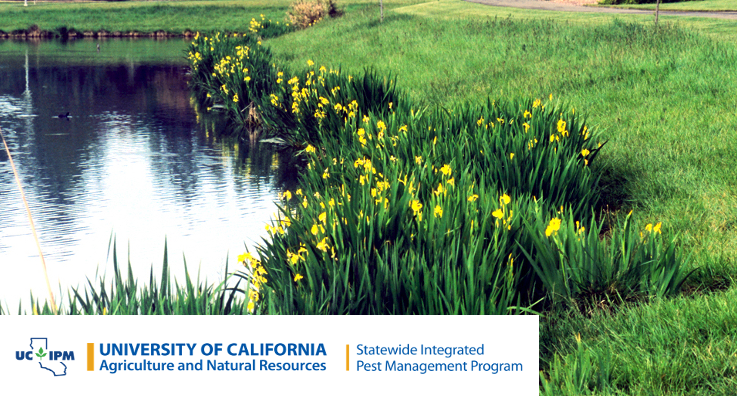

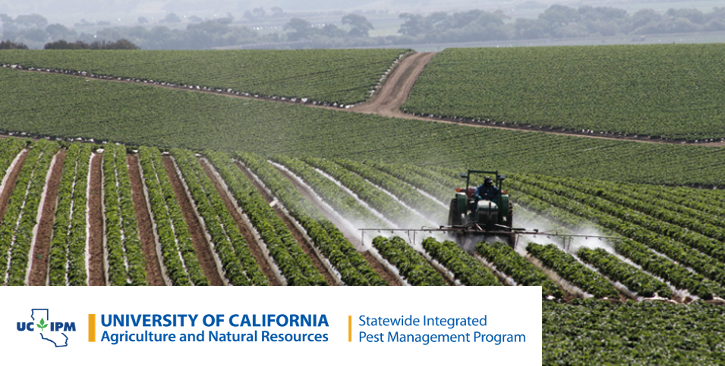
Learners will be able to describe why calibration is important and be able to list the materials and tools needed in order to calibrate equipment. They will see various examples of pesticide application equipment for liquid, granular, and soil drenching and soil injection applications. The course includes many examples of calculations needed to calibrate equipment. The course contains video so it requires a device that can play audio and video.
- Technical support: UC IPM Online Training Support

- Technical support: UC IPM Online Training Support
This course is for those who need continuing education units (CEUs) and a certificate. Make the purchase and after the payment you will be redirected to the course. Upon course completion you will be able to download the course certificate.
To access the free version of this course without a certificate, click on the title below:
- Technical support: UC IPM Online Training Support
Course overview
The pink hibiscus mealybug (Maconellicoccus hirsutus) is an invasive insect that is currently in California and has the potential to have a profound impact on our agriculture and natural environment. A key to slowing the spread of pink hibiscus mealybug is early detection and rapid response, which requires education of citizens and resource professionals. This course explores the pest's lifecycle, how they feed, travel and what to do if you see it in California.
Who should enroll?
Residents of California, Master Gardeners, Arborists, Nursery Professionals, and other stakeholders.
How to enroll
Continuing Education Units
- UC Master Gardeners are eligible for 1 hour of continuing education (CE) for completing this course.
Need Help?
- For assistance with login, course enrollment, contact campushelp@extension.org
- For assistance with progress through the course or certificate, contact mgtraining@ucanr.edu
The California Department of Agriculture and the University of California Master Gardener Program.
Teacher
Lauren Snowden, UC Master Gardener Online Training Specialist


The University of California Division of Agriculture & Natural Resources (UCANR) is an equal opportunity provider. (Complete nondiscrimination policy statement can be found at (pdf, opens in another window) http://ucanr.edu/sites/anrstaff/files/215244.pdf)
Inquiries regarding ANR’s nondiscrimination policies may be directed to UCANR, Affirmative Action Compliance Officer, University of California, Agriculture and Natural Resources, 2801 Second Street, Davis, CA 95618, (530) 750-1343.
_______
The material and information presented here are for general education and information purposes only and do not constitute technical advice relating to individual and site-specific issues. Reach out to the University of California (UC) Cooperative Extension office in your county for unbiased, research-based solutions. Any reference to commercial products, companies, and organizations does not imply an endorsement by The Regents of the UC.
- Teacher: UC Master Gardener Online Training Support
- Teacher: Lauren Snowden
- Teacher: Megan Berthiaume