
Extension Foundation Online Campus
Search results: 540
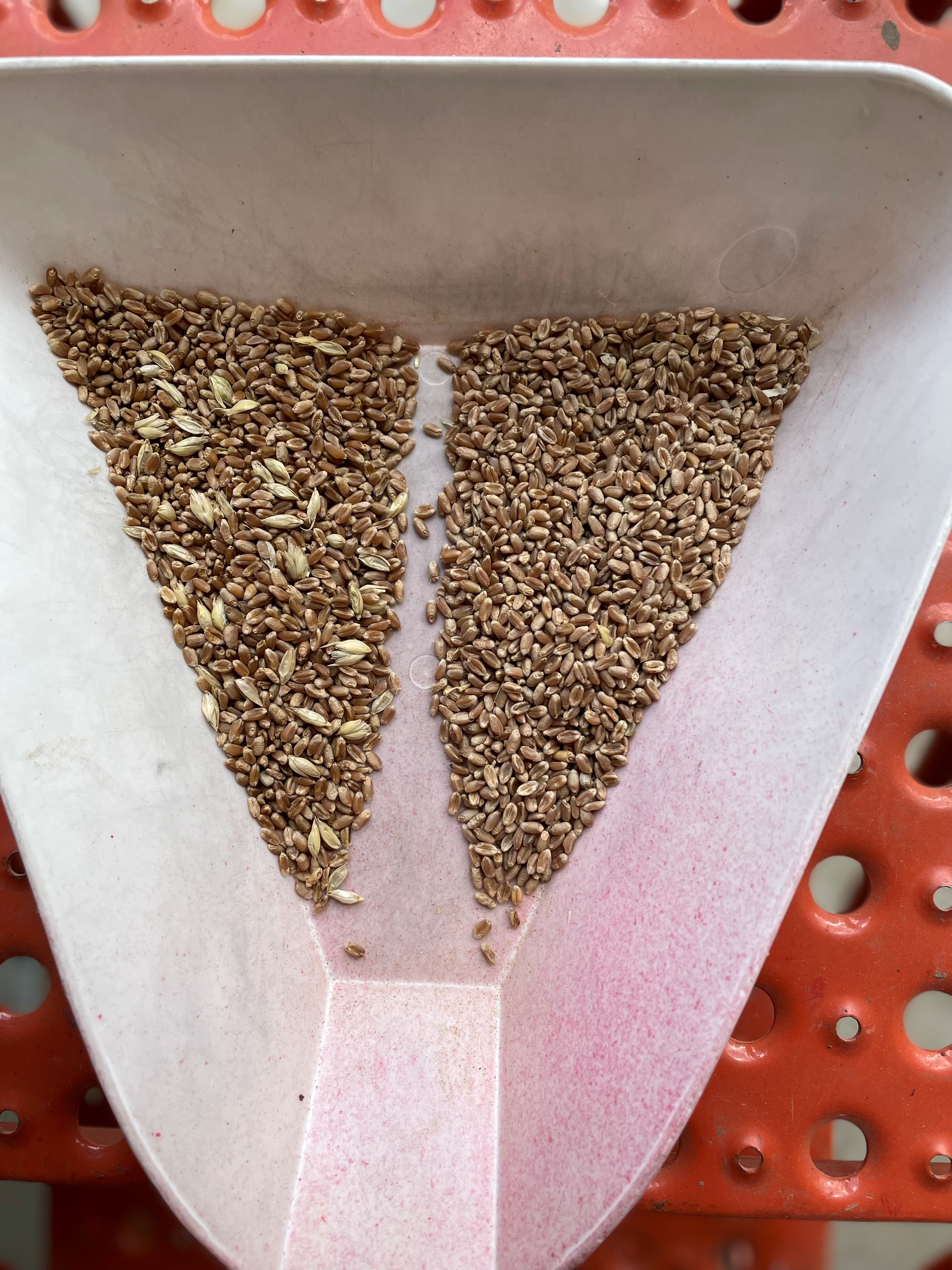
Summary: Seed that comes from the field is never pure, it contains sticks, stems, debris, soil, weed and other crop seeds, trash, and insects. In its simplest form, conditioning is the process of cleaning the seed and removing impurities and contaminates so that the end user receives pure, high-quality seed ready for planting. This course is first in a series which will walk you through foundational concepts of seed conditioning.
Upskill Credentials: If you finish the entire course including passing the quiz with a score of 80% or better (which you can take up to 3 times) and filling out the short 5 mins feedback survey, then you will earn a badge certificate of completion. This course has been approved for 2 Crop Management CEUs through the national Certified Crop Adviser program.
Time Required: We estimate it will take you 2 hours in total to complete the course. You can work on it at your own pace and do not have to complete it in one setting.
ADA Accessibility: We have done our best to follow ADA best practices. Let us know if you run into any problems or require further accommodations.
If you have any questions, please contact your instructor, Laura Pottorff, M.S., Director of Seed Program at: Laura.Pottorff@colostate.edu
Acknowledgements: This online micro-credential upskilling course is offered through the CSU Ag Upskilling program. Development of this content was supported in part by funding from SyncUp Colorado, administered by Colorado State University (2022).
The enrollment fee for this course is $50.
You may also choose to purchase all 7 of the CSU Upskilling Seed Conditioning Courses for a discounted price of $300. To do so, click the link below.
- Teacher: Tamla Blunt
- Teacher: Deana Namuth-Covert
- Teacher: Rick Novak
- Teacher: Laura Pottorff
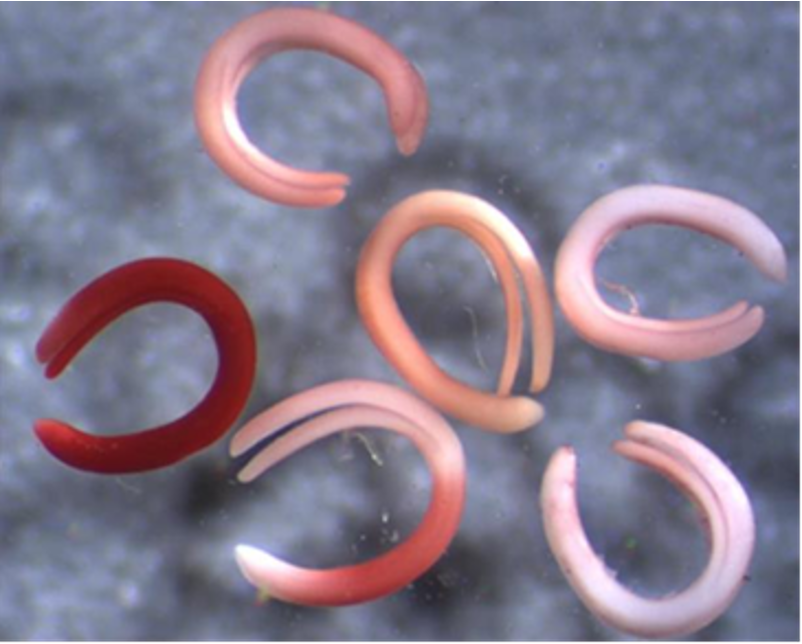
Summary: Seed conditioners play a unique role in modern seed production. Conditioners have the power to increase the quality of poor seed, and decrease the quality of good seed. While a grower has the ability to fine tune the conditions under which the seed crop is grown with fertilizer and water inputs, pest control and tillage to maximize quality, it is up to the conditioner to create the highest quality product out of what they are given. This course is second in a series which will walk you through foundational concepts of seed conditioning.
Upskill Credentials: If you finish the entire course including passing the quiz with a score of 80% or better (which you can take up to 3 times) and filling out the short 5 mins feedback survey, then you will earn a badge certificate of completion. This course has been approved for 2 Crop Management CEUs through the national Certified Crop Adviser program.
Time Required: We estimate it will take you 2 hours in total to complete the course. You can work on it at your own pace and do not have to complete it in one setting. Click on the eBook link below to begin.
ADA Accessibility: We have done our best to follow ADA best practices. Let us know if you run into any problems or require further accommodations.
If you have any questions, please contact your instructor, Laura Pottorff, M.S., Director of Seed Program at: Laura.Pottorff@colostate.edu
Acknowledgements: This online micro-credential upskilling course is offered through the CSU Ag Upskilling program. This material is based upon work that is supported by the National Institute of Food and Agriculture, U.S. Department of Agriculture, under award number 2023-38640-39571 through the Western Sustainable Agriculture Research and Education program under project number WPDP24-021. USDA is an equal opportunity employer and service provider. Any opinions, findings, conclusions, or recommendations expressed in this publication are those of the author(s) and do not necessarily reflect the view of the U.S. Department of Agriculture.


The enrollment fee for this course is $50.
You may also choose to purchase all 7 of the CSU Upskilling Seed Conditioning Courses for a discounted price of $300. To do so, click the link below.
- Teacher: Tamla Blunt
- Teacher: Deana Namuth-Covert
- Teacher: Rick Novak
- Teacher: Laura Pottorff
Summary: This lesson discusses the importance of plant breeding through history, how one would recognize if the seed they are conditioning is protected by intellectual property rights; and more importantly, what are the mandatory best practices for seed conditioners when handling plant variety protected seed. This course is third in a series which will walk you through foundational concepts of seed conditioning.
Upskill Credentials: If you finish the entire course including passing the quiz with a score of 80% or better (which you can take up to 3 times) and filling out the short 5 mins feedback survey, then you will earn a badge certificate of completion. This course has been approved for 2 Crop Management CEUs through the national Certified Crop Adviser program.
Time Required: We estimate it will take you 2 hours in total to complete the course. You can work on it at your own pace and do not have to complete it in one setting. Click on the eBook link below to begin.
ADA Accessibility: We have done our best to follow ADA best practices. Let us know if you run into any problems or require further accommodations.
If you have any questions, please contact your instructor, Laura Pottorff, M.S., Director of Seed Program at: Laura.Pottorff@colostate.edu
Acknowledgements: This online micro-credential upskilling course is offered through the CSU Ag Upskilling program. This material is based upon work that is supported by the National Institute of Food and Agriculture, U.S. Department of Agriculture, under award number 2023-38640-39571 through the Western Sustainable Agriculture Research and Education program under project number WPDP24-021. USDA is an equal opportunity employer and service provider. Any opinions, findings, conclusions, or recommendations expressed in this publication are those of the author(s) and do not necessarily reflect the view of the U.S. Department of Agriculture.
The enrollment fee for this course is $50.
You may also choose to purchase all 7 of the CSU Upskill Seed Conditioning Courses for a discounted price of $300. To do so, click the link below.
- Teacher: Tamla Blunt
- Teacher: Deana Namuth-Covert
- Teacher: Rick Novak
- Teacher: Laura Pottorff
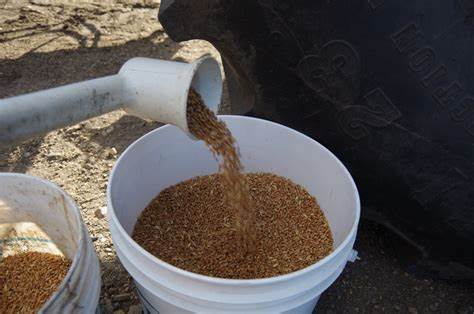
Summary: Seed conditioners process, handle and store seed. All these actions may influence the quality of the seed and therefore the conditioner may share in potential liability should the seed quality be compromised, contaminated or damaged during possession. Documenting the contents of seed received helps protect the conditioner from potential liability. Seed sampling should occur at multiple stages of receiving, processing and handling; it is important to select a representative sample of a seed lot. When a sample is created and viewed by conditioning personnel or sent to a testing laboratory the results obtained from the test are used to indicate the overall quality of the entire lot, make decisions as to what machinery should be used and eventually how to label the finished product. As a result, using a careful and representative method of sampling is required. This course is fourth in a series which will walk you through foundational concepts of seed conditioning.
Upskill Credentials: If you finish the entire course including passing the quiz with a score of 80% or better (which you can take up to 3 times) and filling out the short 5 mins feedback survey, then you will earn a badge certificate of completion. This course has been approved for 2 Crop Management CEUs through the national Certified Crop Adviser program.
Acknowledgements: This online micro-credential upskilling course is offered through the CSU Ag Upskilling program. This material is based upon work that is supported by the National Institute of Food and Agriculture, U.S. Department of Agriculture, under award number 2023-38640-39571 through the Western Sustainable Agriculture Research and Education program under project number WPDP24-021. USDA is an equal opportunity employer and service provider. Any opinions, findings, conclusions, or recommendations expressed in this publication are those of the author(s) and do not necessarily reflect the view of the U.S. Department of Agriculture.
The enrollment fee for this course is $50.
You may also choose to purchase all 7 of the CSU Upskilling Seed Conditioning Courses for a discounted price of $300. To do so, click the link below.
- Teacher: Tamla Blunt
- Teacher: Deana Namuth-Covert
- Teacher: Rick Novak
- Teacher: Laura Pottorff
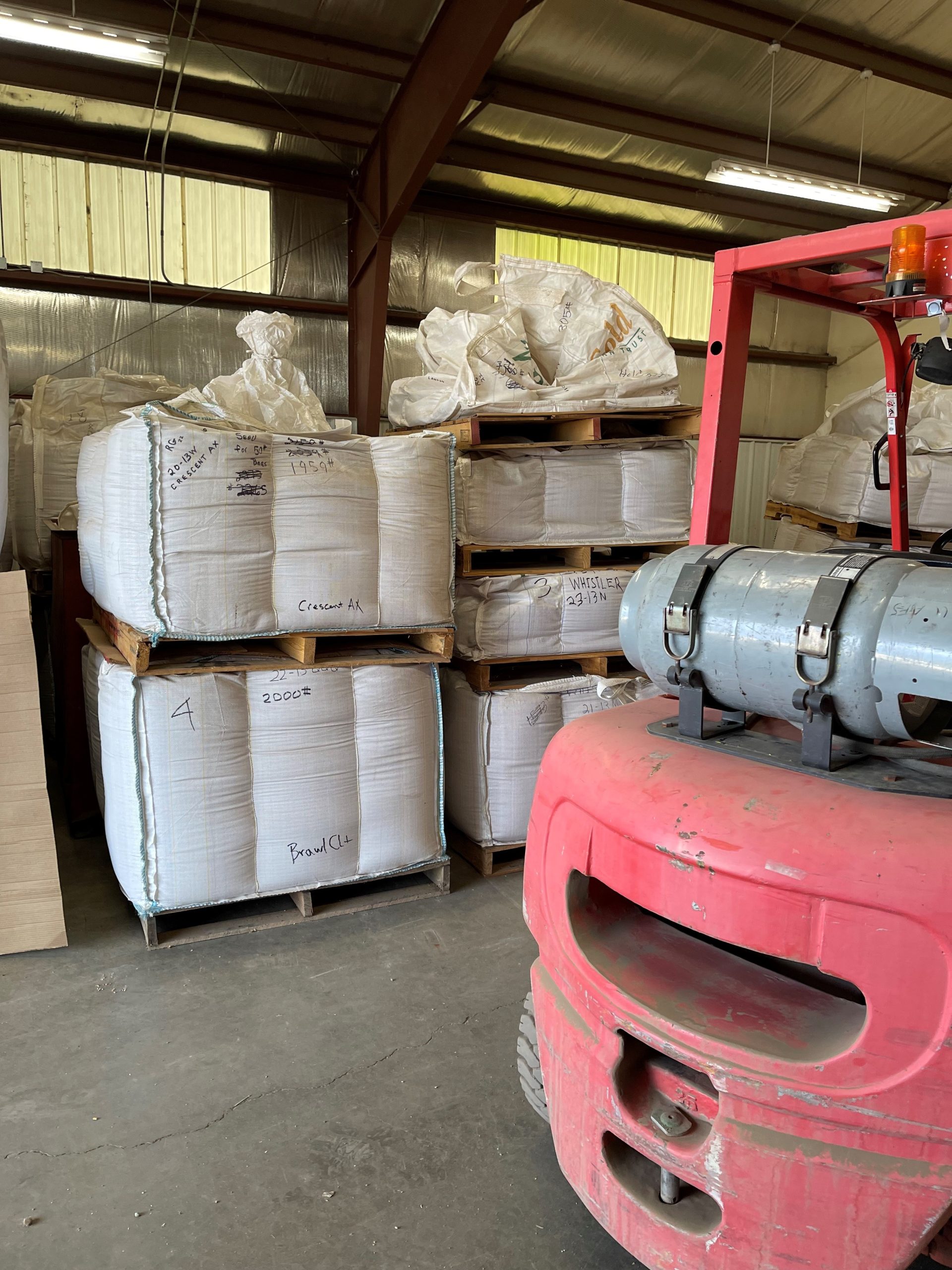
Summary: Seed lots are not always used entirely each planting season. Seed that was purchased or grown this year may require storage to be carried over to subsequent planting seasons. When seed is carried over, it is expected to be of the same quality as seed that was recently produced. As a result, understanding the best possible methods for carrying over seed to maintain high germination and viability is crucial.
This course is sixth in a series which will walk you through foundational concepts of seed conditioning.Upskill Credentials: If you finish the entire course including passing the quiz with a score of 80% or better (which you can take up to 3 times) and filling out the short 5 mins feedback survey, then you will earn a badge certificate of completion. This course has been approved for 2 Crop Management CEUs through the national Certified Crop Adviser program.
Acknowledgements: This online micro-credential upskilling course is offered through the CSU Ag Upskilling program. This material is based upon work that is supported by the National Institute of Food and Agriculture, U.S. Department of Agriculture, under award number 2024-68018-42796, administered by Colorado State University. USDA is an equal opportunity employer and service provider. Any opinions, findings, conclusions, or recommendations expressed in this publication are those of the author(s) and do not necessarily reflect the view of the U.S. Department of Agriculture.

The enrollment fee for this course is $50.
You may also choose to purchase all 7 of the CSU Upskilling Seed Conditioning Courses for a discounted price of $300. To do so, click the link below.
- Teacher: Tamla Blunt
- Teacher: Deana Namuth-Covert
- Teacher: Rick Novak
- Teacher: Laura Pottorff

Welcome to the online basic training for the University of Maryland Extension Master Gardener program!
- Teacher: Ashley Bachtel-Bodkins
- Teacher: Kaitlyn Baligush
- Teacher: Liz Bayer
- Teacher: Doris Behnke
- Teacher: Mikaela Boley
- Teacher: Sue Christensen
- Teacher: Sandra Gohn
- Teacher: Christine Hipple
- Teacher: Lexie Leeser
- Teacher: HowardCounty MasterGardener
- Teacher: Natasha Meehleib
- Teacher: Esther Mitchell
- Teacher: Isabel Mooney
- Teacher: Peg Nemoff
- Teacher: Madeline Elizabeth Potter
- Teacher: Stephanie Ann Pully
- Teacher: Amy Rembold
- Teacher: Julia Jincai Rycyna
- Teacher: BCMG Training & Development
- Teacher: ruth tyson
- Teacher: Maxine Da-Som Yoon
This course has been replaced. Please visit the new course site to register and complete the course.
Transportation workers and others who need to flag traffic on public and private roadways in Nebraska who take this course will be able to successfully complete the required tasks of a flagger: Guide traffic through work areas; Protect workers; Prevent unreasonable delays for road users; and Answer motorists’ questions politely and knowledgeably.
This course is for all new certification enrollees after March 26, 2018. To access a certificate earned or finish a course begun prior to that date, visit the prior version of the course.
For information or to enroll in the 2018 course contact: Megan Patent-Nygren, University of Nebraska-Lincoln, Local Technical Assistance Program, mpatentnygren2@unl.edu
- Teacher: Megan Patent-Nygren
The audience for this course includes aspiring and practicing industrial hemp growers and interested ag service providers, including Extension educators.
As a result of participating this online proceedings, participants will learn about latest research results, production information, regulatory requirements for Vermont, and resources available regarding industrial hemp production.
Contact Susan Brouillette at susan.brouillette@uvm.edu for additional information.
- Teacher: Susan Brouillette
Participants will learn a variety of competencies related to district court administration and management. Montana Clerks of District Court have worked with the Montana State University Extension Local Government Center to develop educational curriculum. The curriculum is designed to ensure the clerks of district court across the state receive timely. relevant, and impactful training and that each clerk can demonstrate key skills to perform the duties of their position.
- Teacher: Schuyler Germann
- Teacher: Ashley Kent
- Teacher: Lydia Maunz
Participants will learn a variety of competencies related to district
court administration and management. Montana Clerks of District Court have worked with the Montana State University Extension Local Government Center to develop educational curriculum. The curriculum is designed to ensure the clerks of district court across the state receive timely. relevant, and impactful training and that each clerk can demonstrate key skills to perform the duties of their position.
- Teacher: chelsea farace
- Teacher: Schuyler Germann
- Teacher: Ashley Kent
- Teacher: Lydia Maunz
Proceedings from the 2023 Industrial Hemp Conference held virtually on February 23, 2023. The conference included education and information sharing opportunities on industrial hemp including current research, agronomics, farmer experiences with growing grain & fiber hemp, the future of hemp foods, breeding & genetics, developing a fiber enterprise, CBD economics & markets, and regulatory updates.
There are over 12 presentations covering all aspects of growing hemp!
- Teacher: Susan Brouillette
Veterans Agricultural Education and Apprenticeship Program in the Southwest
2023 Southwest Ag Summit
Course Name: Opportunities for improved Fertilizer Management in the Desert
Module 1: The Nexus of Soil Health and Soil Fertility
Dr. Debankur Sanyal, University of Arizona, Maricopa, AZ
Module 2: Opportunities for enhanced fertilizer management using precision ag methods
Pedro Andrade, University of Arizona, Maricopa, AZ
Module 3: Efficiency technologies for N and P fertilizer inputs in desert soils
Dr. Eric Ellison, Pursell Agri-Tech, LLC
Module 4: Opportunities for Optimizing Fertigation
Dr. Charles Sanchez, University of Arizona, Maricopa, AZ
The course contains video so it requires a computer that can play audio and video.
Contact and technical support: Robert Masson, masson@arizona.edu.
- Teacher: Vaeaps Box
- Teacher: Jody Dean
- Teacher: Don Dinwiddie
- Teacher: Robert Masson
Veterans Agricultural Education and Apprenticeship Program in the Southwest
2023 Southwest Ag Summit
Course Name: Irrigation Efficiency: technology updates and best practices
Module 1: Yuma County Extension Update: Soil amendments and flow meters
Robert Masson, University of Arizona, Yuma, AZ
Module 2: Drought mitigation - Some Easy Solutions
Fred Ahnert, Rain For Rent
Module 3: Guayule growth and yield responses to deficit irrigation strategies in the U.S. desert
Dr. Diaa Elshikha, University of Arizona, Maricopa, AZ
Module 4: Utilizing Drip Irrigation to Maximize Water Use in Vegetable and Alfalfa Production
Michael Bloomfield, Netafim USA
Module 5: Irrigation Efficiency in Salinas Leafy Green Production
Michael Cahn, University of California, Salinas, CA
The course contains video so it requires a computer that can play audio and video.
Contact and technical support: Robert Masson, masson@arizona.edu.
- Teacher: Vaeaps Box
- Teacher: Jody Dean
- Teacher: Don Dinwiddie
- Teacher: Robert Masson
Veterans Agricultural Education and Apprenticeship Program in the Southwest
2023 Southwest Ag Summit
Course Name: Addressing Plant Disease Challenges in Leafy Greens and Melon Production
Module 1: Updated on Thrips and INSV from 2022 lettuce season in the Salinas Valley of California
Dr. Daniel Hasegawa, USDA - ARS, Salinas, CA
Module 2: Epidemiological Factors contributing to whitefly-transmitted virus outbreaks in the southwestern melon production
Dr. Bill Wintermantel, USDA-ARS, Salinas, CA
Module 3: Downy Mildew of Spinach - a continuing conundrum & Stemphylium leaf spot on Spinach - identification and molecular differentiation of species
Dr. Jim Correll, Distinguished Professor, University of Arkansas
Module 4: Fusarium wilt and downy mildew of lettuce in the desert: current YCEDA projects and trial results
Dr. Stephanie Slinski, Associate Director, Yuma Center of Excellence for Desert Agriculture, University of Arizona
The course contains video, requiring a computer that can play audio and video.
Contact and technical support: Robert Masson, masson@arizona.edu.
- Teacher: Vaeaps Box
- Teacher: Jody Dean
- Teacher: Don Dinwiddie
- Teacher: Robert Masson
Veterans Agricultural Education and Apprenticeship Program in the Southwest
2023 Southwest Ag Summit
Course Name: Soil Health in the Desert: Combating Water Crisis in the Southwest
Module 1: Soil Health in the Desert Southwest
Dr. Debankur Sanyal , University of Arizona, Tucson, AZ
Module 2: Eco-system Balance: The Role of Human Activities in Cultivation and Land Stewardship
Yadi Wang, Arizona SOL L3C
Module 3: Nematode community as soil health indicators in low desert vegetable production
Dr. Philip Waisen, UCANR, Riverside and Imperial Counties
Module 4: Can biochar improve desert soil health?
Rivka Fidel, University of Arizona, Tucson, AZ
Module 5: Really? You can't do that here!
Anthony Bly, South Dakota State University
Module 6: Pesticide effects on soil health
Robert Masson, University of Arizona, Yuma, AZ
The course contains video so it requires a computer that can play audio and video.
Contact and technical support: Robert Masson, masson@arizona.edu.
- Teacher: Vaeaps Box
- Teacher: Jody Dean
- Teacher: Don Dinwiddie
- Teacher: Robert Masson
Veterans Agricultural Education and Apprenticeship Program in the Southwest
2023 Southwest Ag Summit
Course Name: Vegetables IPM: Emerging Technology and Crop Protection Solutions
Module 1: New and Emerging Plant Diseases
Steve Koike, Director, TriCal Diagnostics, Hollister, CA
Module 2: Recommendations in Agriculture: A Team Effort When Things Go Right or Wrong
Anthony Duttle, Rush and Duttle Consulting, Salinas, CA
The course contains video so it requires a computer that can play audio and video.
Contact and technical support: Robert Masson, masson@arizona.edu.
- Teacher: Vaeaps Box
- Teacher: Jody Dean
- Teacher: Don Dinwiddie
- Teacher: Robert Masson
Veterans Agricultural Education and Apprenticeship Program in the Southwest
2023 Southwest Ag Summit
Course Name: Innovations in Weed Control Technologies
Module 1: Smart spray technology for weed control in vegetables
Dr. Nathan Boyd, University of Florida
Module 2: Sub-Centimeter Precision Weeding and Fertilizing with Verdant Robotics - Intelligent Sharp Shooter
Curtis Garner, Verdant Robotics
Module 3: The Benefits of Smart Mechanical Cultivation
Paul Elliott, FarmWise
Module 4: High Density Crop Weeding with Style
Teric Greenan, Nexus Robotics, Inc.
The course contains video so it requires a computer that can play audio and video.
Contact and technical support: Robert Masson, masson@arizona.edu.
- Teacher: Vaeaps Box
- Teacher: Jody Dean
- Teacher: Don Dinwiddie
- Teacher: Robert Masson
VAEAPS
2023 Southwest Ag Summit
Course Name: Integrated Weed Management and Impact to Desert Agriculture
Module 1: Insights from Early Kerb Chemigation Research
Dr. Jesse Richardson, Corteva Agriscience, Mesa, AZ
Module 2: Survey of Weeds as Host of INSV in Yuma County - Results From Two Year Survey
Samuel Discua Duarte, University of Arizona, Yuma, AZ
Module 3: Integrated Weed Management - Palmer Amaranth
Jose L. Carvalho de Souza, University of Arizona, Maricopa, AZ
Module 4: Herbicide Evaluations at the Yuma Agriculture Center
Marco Pena, University of Arizona, Yuma, AZ
The course contains video so it requires a computer that can play audio and video.
Contact and technical support: Robert Masson, masson@arizona.edu.
- Teacher: Vaeaps Box
- Teacher: Jody Dean
- Teacher: Don Dinwiddie
- Teacher: Robert Masson
Veterans Agricultural Education and Apprenticeship Program in the Southwest
Course Name: 2024 Arizona Winter Citrus & Date Palm Workshop
Module 1: Lemon Variety, Rootstock, Fruit Size & Nematode Trial Research | Alternative Insecticides for Citrus Thrips Management in Lemon | Corteva Label Update for Desert Grown Citrus
Dr. Glenn Wright, Associate Professor - University of Arizona | Dr. Wilfrid Calvin, Assistant Professor & Extension Specialist | Junior Evans, Territory Manager at Corteva Agriscience
Module 2: Advancing Sustainable Organic Production Systems in Arizona | Gowan Products for Citrus | FMC Citrus Portfolio Update
Dr. Ali Mohammed — UArizona Extension - Assistant Professor & Extension Specialist | Chris Denning, Desert Sales Rep - Gowan Company USA | Danielle Kirkpatrick, Technical Service Manager, FMC
Module 3: Update on Citrus & Palm Disease | Date Palm Disease, Thinning, & Fruit Size Research Update
Dr. Alex Hu, Associate Professor, Extension Specialist, University of Arizona | Dr. Glenn Wright, Associate Professor - University of Arizona
The course contains video, requiring a computer that can play audio and video.
Contact and technical support: Robert Masson, masson@arizona.edu.
- Teacher: Vaeaps Box
- Teacher: Jody Dean
- Teacher: Don Dinwiddie
- Teacher: Robert Masson
Participants will learn a variety of competencies related to municipal government administration, finance, and management.
- Teacher: Nitasha Fazal
- Teacher: Ashley Kent
- Teacher: Lydia Maunz
- Teacher: Kate Wade
Veterans Agricultural Education and Apprenticeship Program in the Southwest
Course Name: 2024 Southwest Ag Summit
Fertilizer Management in the Desert Southwest
Module 1: Fertilizer Considerations for the Desert Southwest
Robert Masson, University of Arizona, Yuma County Cooperative Extension, Asst. AG Agent
Module 2: TRUE Organic Product Updates
Ramy Colfer, Cody Benton, and Jay Harper of TRUE Organic Products
Module 3: YARA Products Updates
Patrick Giannetti and Sebastian Korob, YARA International
Module 4: Nutrient Ag Solutions Product Update
Kyle Deol, Nutrient Ag Solutions
The course contains video so it requires a computer that can play audio and video.
Contact and technical support: Robert Masson, masson@arizona.edu.
- Teacher: Vaeaps Box
- Teacher: Jody Dean
- Teacher: Don Dinwiddie
- Teacher: Robert Masson
Veterans Agricultural Education and Apprenticeship Program in the Southwest
Course Name: 2024 Southwest Ag Summit
How Weather and Water Influence Pest Management
Module #1: Influence of Weather on Desert Insects and their Management
Dr. John Palumbo, University of Arizona, Yuma, AZ
Module #2: Water Management and Pest Management - What's the Connection?
Dr. Shaku Nair, University of Arizona, Maricopa County Cooperative Extension
The course contains video so it requires a computer that can play audio and video.
Contact and technical support: Robert Masson, masson@arizona.edu.
- Teacher: Vaeaps Box
- Teacher: Jody Dean
- Teacher: Don Dinwiddie
- Teacher: Robert Masson
Veterans Agricultural Education and Apprenticeship Program in the Southwest
Course Name: 2024 Southwest Ag Summit, New Developments In Weed Control
Module 1: New Weed Control Technologies Developed by BASF
Kevin Caffrey, BASF
Module 2: Importance of the IR-4 Project ad Impact of Arizona's Vegetable Industry
Roger Batts, IR-4 Project, North Carolina St. University
Module 3: Alternatives to Dacthal for Broccoli and Onions
Marco Pena, University of Arizona
The course contains video so it requires a computer that can play audio and video.
Contact and technical support: Robert Masson, masson@arizona.edu.
- Teacher: Vaeaps Box
- Teacher: Jody Dean
- Teacher: Don Dinwiddie
- Teacher: Robert Masson
Veterans Agricultural Education and Apprenticeship Program in the Southwest
Course Name: 2024 Southwest AG Summit
Plant Breeding Short Course: Theory, Methods, and Plant Breeding Industry
Module 1:
Plant Breeding 101:
Robert Masson, University of Arizona, Yuma Co. Cooperative Extension
Module 2:
Plant Breeding 102:
Dr. Hikmet Budak, Agricultural Professor, Arizona Western College
The course contains video so it requires a computer that can play audio and video.
Contact and technical support: Robert Masson, masson@arizona.edu.
- Teacher: Vaeaps Box
- Teacher: Jody Dean
- Teacher: Don Dinwiddie
- Teacher: Robert Masson
Veterans Agricultural Education and Apprenticeship Program in the Southwest
Course Name: 2024 Southwest Ag Summit
Quantitative assessment of water and salt balance for cropping systems in the lower Colorado River region
Module 1: Updated Water Management Information for the Lower Colorado Region
Dr. Andrew French, University of Arizona
Module 2: Salt Balance in the Lower Colorado River Region
Dr. Charles Sanchez, University of Arizona
Module 3: Emerging Tools for Water and Salinity Management in the Lower Colorado River Region
Toby Torrey, University of Arizona
Contact and technical support: Robert Masson, masson@arizona.edu.
- Teacher: Vaeaps Box
- Teacher: Jody Dean
- Teacher: Don Dinwiddie
- Teacher: Robert Masson
Veterans Agricultural Education and Apprenticeship Program in the Southwest
Course Name: 2024 Southwest Ag Summit
Soil Health
Module 1: Keynote Talk on Soil Health Principles and Assessments
Dr. Jerry Hatfield, Retired at USDA-ARS, Ames, IA
Module 2: The Desert Agriculture Soil Health Initiative (DASHI): Overview and Research Updates
Dr. Joey Blankinship, Associate Professor, The University of Arizona
Module 3: Updates from the Research-based Soil Health Extension Program in Arizona
Dr. Debankur Sanyal, Assistant Professor & Soil Health Extension Specialist, University of Arizona
Module 4: Soil Biological Health Indicators and its Application
Dr. Luisa Ikner, Assistant Professor, University of Arizona
The course contains video so it requires a computer that can play audio and video.
Contact and technical support: Robert Masson, masson@arizona.edu.
- Teacher: Vaeaps Box
- Teacher: Jody Dean
- Teacher: Don Dinwiddie
- Teacher: Robert Masson
Veterans Agricultural Education and Apprenticeship Program in the Southwest
Course Name: 2024 Southwest Ag Summit
Vegetable IPM
Module 1: Diseases of Concern for Coastal California Vegetable Crops
Steve Koike, TriCal Diagnostics, Hollister, CA
Module 2: Fusarium Wilt and Downy Mildew of Lettuce in the Desert
Dr. Stephanie Slinski, University of Arizona, YCEDA, Yuma, AZ
Module 3: Development of a Monitoring Tool for Managing Tospovirus Damage in Lettuce
Shianna Rodriguez, University of Arizona, Tucson, AZ
Module 4: Recent IPM Developments for Desert Insect Control
John Palumbo, University of Arizona, Yuma AZ
The course contains video so it requires a computer that can play audio and video.
Contact and technical support: Robert Masson, masson@arizona.edu.
- Teacher: Vaeaps Box
- Teacher: Jody Dean
- Teacher: Don Dinwiddie
- Teacher: Robert Masson
This is the basic training class for the trainees of the 2024 UC Master Gardener Program of Sonoma County. This course is internal to the Sonoma Master Gardener program and is not open to the public.
- Teacher: Janet Bair
- Teacher: Mimi Enright
- Teacher: Anne Haddix
- Teacher: Leslie Hart
- Teacher: Judy Hatfield
- Teacher: Laura Southworth
- Teacher: Carla Tarazi
- Teacher: Clio Tarazi
Course Name: 2025 Arizona Winter Citrus & Date Palm Seminar
Module 1: Dr. Jiahuai "Alex" HU, Recent Developments in Citrus Brown Wood Rot Research, Dr. Mazin Saber, Most Problematic Citrus Weeds in Yuma, AZ, and Control Methods, Matthew Fatino, Identifying and managing herbicide resistance in citrus and date palms. 1:09:19
Module 2: Brian McGrew, Huanglongbing Citrus Greening in Arizona Update, Elene MacAdam, Yuma County Citrus Pest Control District Update, Dr. Wilfrid Calvin, Identification and Management of Key Insect Pests of Citrus. 54:23
Module 3: Ralph Land II, 2025 Citrus Product Update, Amendments, Danielle Kirkpatrick, FMC Citrus Portfolio: Data and Label Update. 32:42
Module 4: Brent Wolfe, BASF Citrus and Date Palm Solutions, Dr. Bodil Cass, Augmentative biological control options for citrus and dates, Junior Evans, Corteva Label Update for Desert Citrus. 56:05
Module 5: Dr. Aliasghar Montazar, How Irrigation Practices Influence Puffy Skin in Medjool Dates, Dr. Christopher Detranaltes, When Palms Perish: Understanding Wilts and Rots, Dr. Glenn Wright, Date Palm Black Mold Research Report. 59:08
Course Number: CA# DPR-0980-26, 4.5 CEU's (Other), AZDA # 26245, 4.0 CEU's, CCA # SS 60821, 4.0 CEU's (IPM)
CEU Credits: This course is accredited by the California Department of Pesticide Regulation, Arizona Department of Agriculture, and Certified Crop Adviser.
Course availability will be through the end of the year and will be removed December 31st 2026.
The course contains video, requiring a computer that can play audio and video.
Contact and technical support: Robert Masson, masson@arizona.edu.
- Teacher: Don Dinwiddie
- Teacher: Robert Masson
Participants will learn a variety of competencies related to district court administration and management.
- Teacher: Ashley Kent
- Teacher: Lydia Maunz
- Teacher: Kate Wade