
Extension Foundation Online Campus
Outdoors
The Role of Plastic Extrusion Manufacturers in Modern Industry
Plastic extrusion manufacturers play a vital role in today’s industrial and commercial landscape. From construction materials and automotive components to medical devices and consumer goods, extruded plastic products are embedded in everyday life. As industries demand lightweight, durable, and cost-effective materials, plastic extrusion has emerged as one of the most efficient and versatile manufacturing processes available.
Understanding Plastic Extrusion
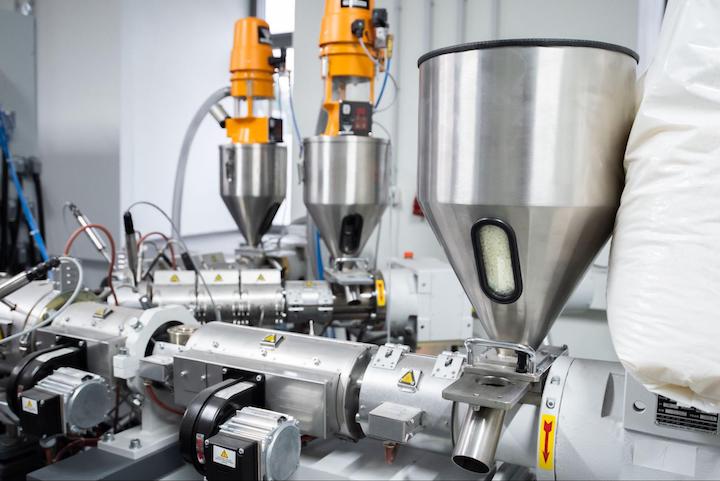
Plastic extrusion is a continuous manufacturing process in which raw plastic material—usually in the form of pellets or granules—is melted and forced through a specially designed die. The die shapes the molten plastic into a uniform cross-section, which is then cooled and cut to the desired length. This method is ideal for producing products such as pipes, tubes, window frames, sheets, films, and custom profiles.
For manufacturers, extrusion offers several advantages: high production efficiency, minimal material waste, and consistent product quality. Once the tooling is set up, large volumes can be produced with tight tolerances, making extrusion particularly attractive for long-run manufacturing.
Materials Used in Plastic Extrusion
Plastic extrusion manufacturers work with a wide range of thermoplastic materials, each chosen for specific performance characteristics. Common materials include PVC, polyethylene (PE), polypropylene (PP), polystyrene (PS), ABS, nylon, and polycarbonate. Each material offers unique benefits in terms of strength, flexibility, chemical resistance, heat tolerance, and cost.
For example, PVC is widely used in construction due to its durability and weather resistance, while polyethylene is popular for packaging and piping because of its flexibility and chemical stability. Advanced extrusion manufacturers also develop custom material blends or compounds to meet specialized requirements, such as flame retardancy, UV resistance, or medical-grade compliance.
Key Industries Served by Extrusion Manufacturers
Plastic extrusion manufacturers serve a diverse range of industries, making them critical partners across the supply chain.
In the construction sector, extruded plastics are used for pipes, conduit, siding, decking, insulation, and window and door profiles. These products offer long service life, low maintenance, and resistance to corrosion, making them superior alternatives to traditional materials in many applications.
The automotive industry relies on extrusion manufacturers for seals, trims, tubing, wire insulation, and fluid transfer components. Lightweight plastic parts help improve fuel efficiency while maintaining performance and safety standards.
In healthcare and medical manufacturing, precision extrusion is used to produce tubing, catheters, and specialized profiles that must meet strict regulatory and quality requirements. Consistency, cleanliness, and traceability are especially important in this sector.
Packaging, electronics, agriculture, and consumer goods industries also depend heavily on plastic extrusion for films, sheets, protective housings, irrigation systems, and countless other products.
Customization and Value-Added Services
Modern plastic extrusion manufacturers do far more than simply produce standard profiles. Many offer extensive customization and value-added services to meet customer-specific needs. These may include custom die design, co-extrusion (combining multiple materials in one profile), color matching, surface texturing, drilling, cutting, printing, and secondary fabrication.
By providing design assistance early in the product development process, extrusion manufacturers help clients optimize part geometry, reduce material usage, and lower overall production costs. This collaborative approach strengthens long-term partnerships and shortens time-to-market for new products.
Quality Control and Technology
Quality control is a cornerstone of successful plastic extrusion manufacturing. Leading manufacturers invest in advanced process monitoring, automated controls, and rigorous inspection systems to ensure dimensional accuracy and material consistency. In-line measurement tools, such as laser gauges, allow real-time adjustments during production, minimizing defects and waste.
Automation and digital technologies are also transforming extrusion operations. Smart manufacturing systems enable better data collection, predictive maintenance, and improved efficiency. As customers demand tighter tolerances and higher performance, technology-driven extrusion manufacturers gain a clear competitive advantage.
Sustainability and Environmental Responsibility
Sustainability has become a major focus for plastic extrusion manufacturers worldwide. Many companies are adopting environmentally responsible practices, such as using recycled or bio-based materials, reducing energy consumption, and minimizing scrap through process optimization.
Extrusion is inherently efficient compared to many other manufacturing methods, as it produces little waste and allows unused material to be reprocessed. Manufacturers that prioritize sustainability not only reduce environmental impact but also help customers meet regulatory and corporate sustainability goals.
Choosing the Right Plastic Extrusion Manufacturer
Selecting the right plastic extrusion manufacturer is critical to product success. Key factors to consider include technical expertise, material capabilities, quality certifications, production capacity, and experience in the target industry. Strong communication, reliable delivery, and a willingness to collaborate on design and problem-solving are equally important.
A capable extrusion partner can help transform an idea into a high-quality, cost-effective product while ensuring consistency and scalability over time.
Conclusion
Plastic extrusion manufacturers are essential contributors to modern manufacturing, enabling the production of durable, versatile, and efficient plastic products across countless industries. Through advanced materials, precision technology, customization, and a growing commitment to sustainability, these manufacturers continue to shape the future of industrial production. As market demands evolve, plastic extrusion manufacturers that invest in innovation and quality will remain at the forefront of global manufacturing solutions.